
Famous Frontiersmen: Wild Bill Hickok, Buffalo Bill Cody, Jim Bridger - 4 Books Worth Reading (Book Notes)
* Most books in this curated list are available from online bookstores or via your preferred bookseller.
Wild Bill: The True Story of the American Frontier's First Gunfighter
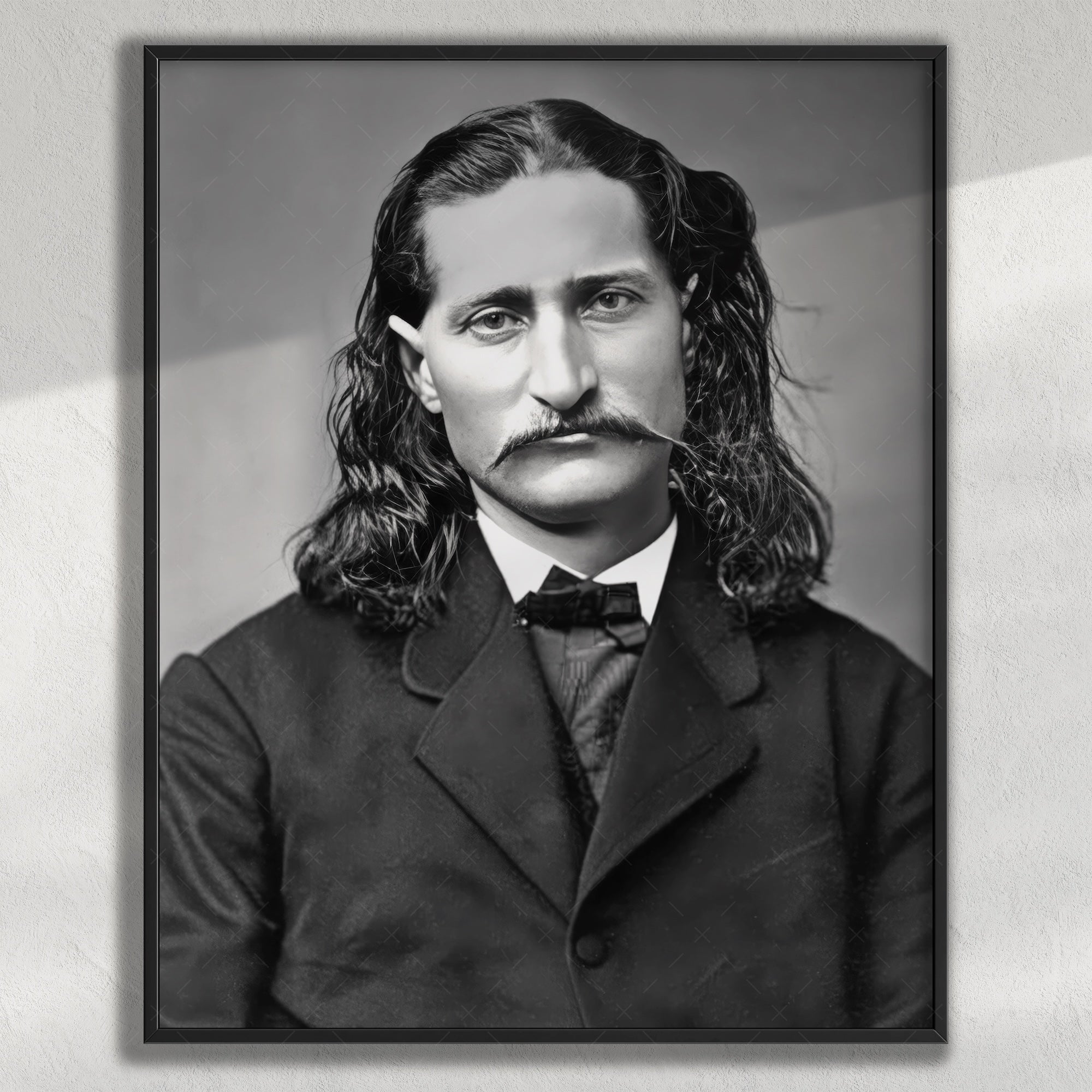
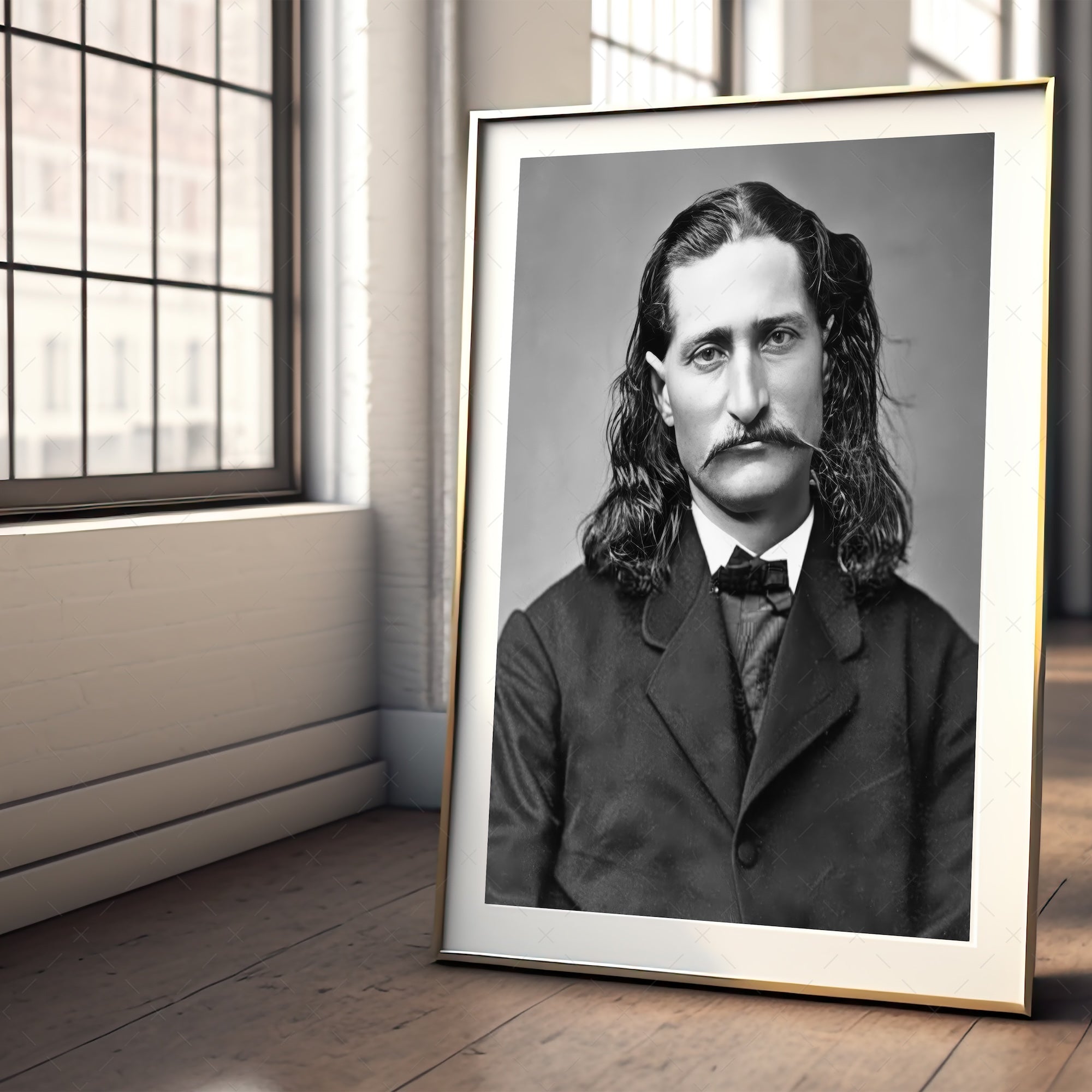
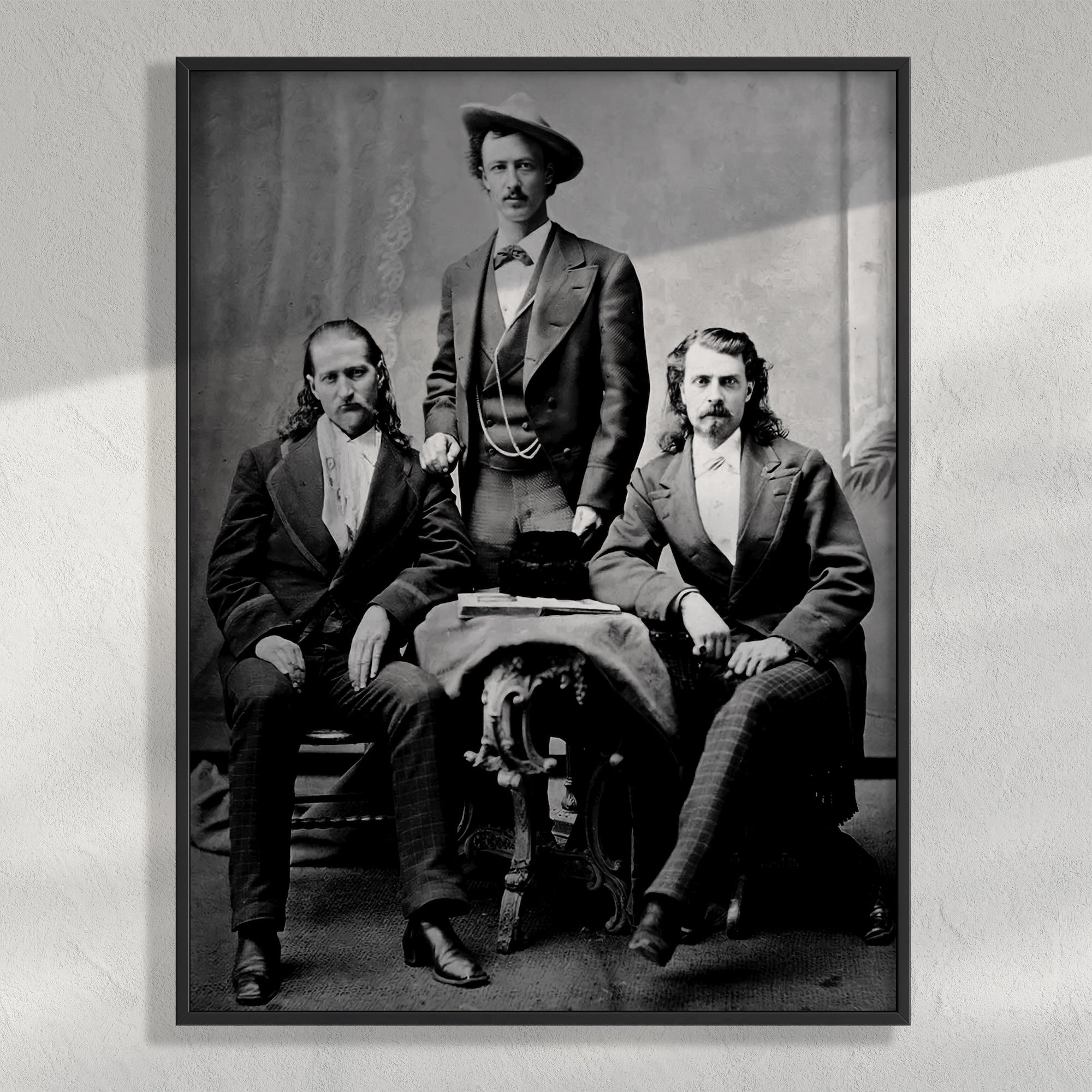
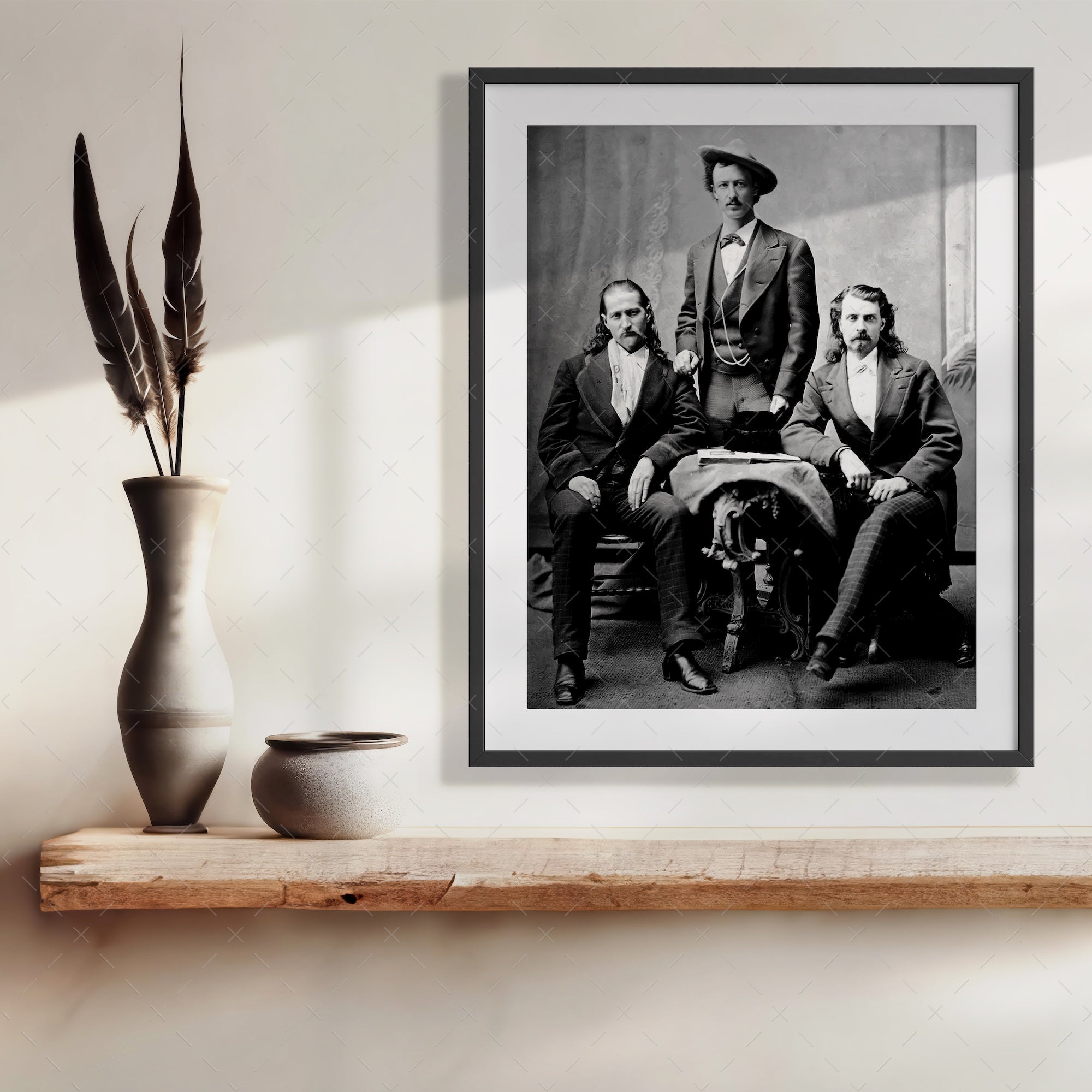
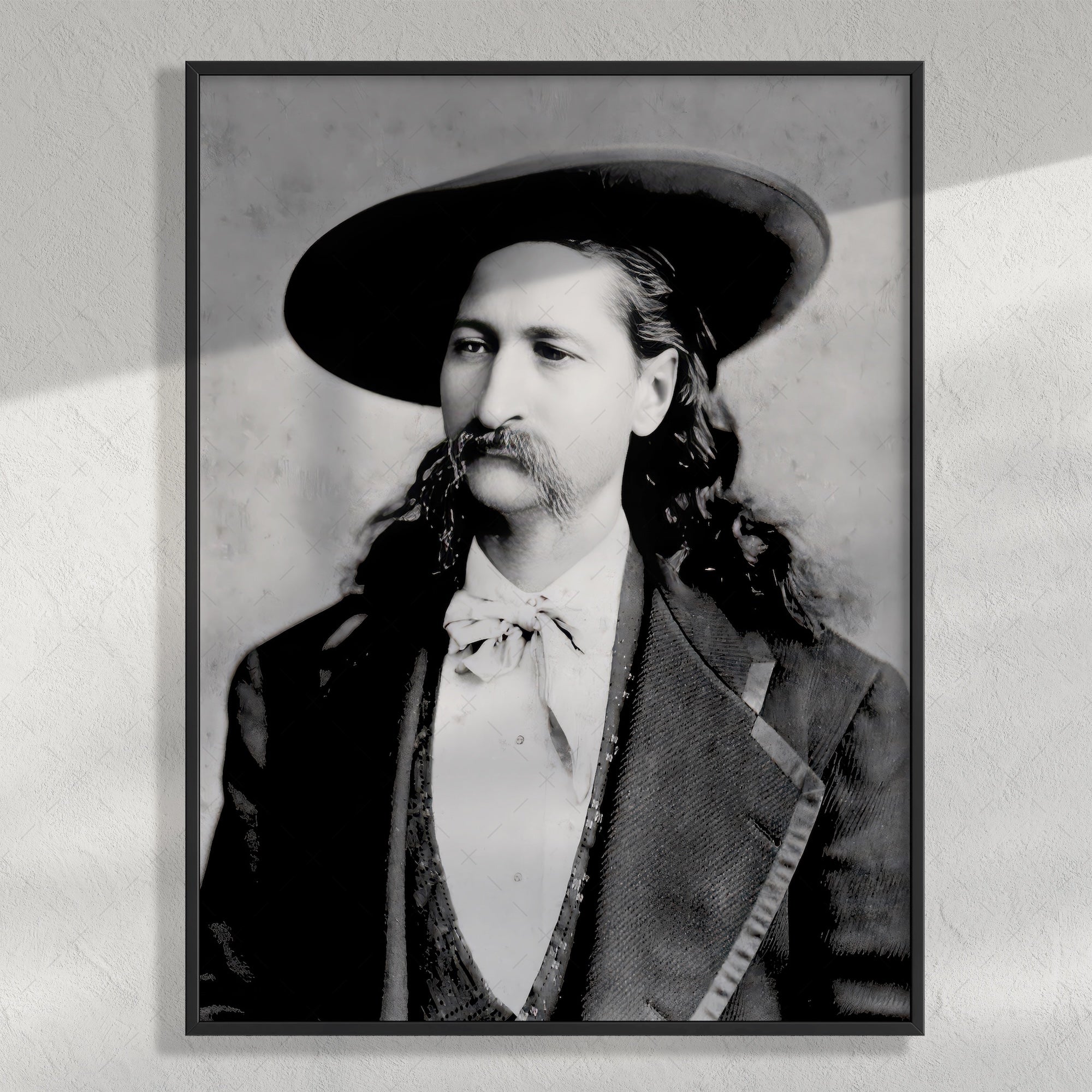
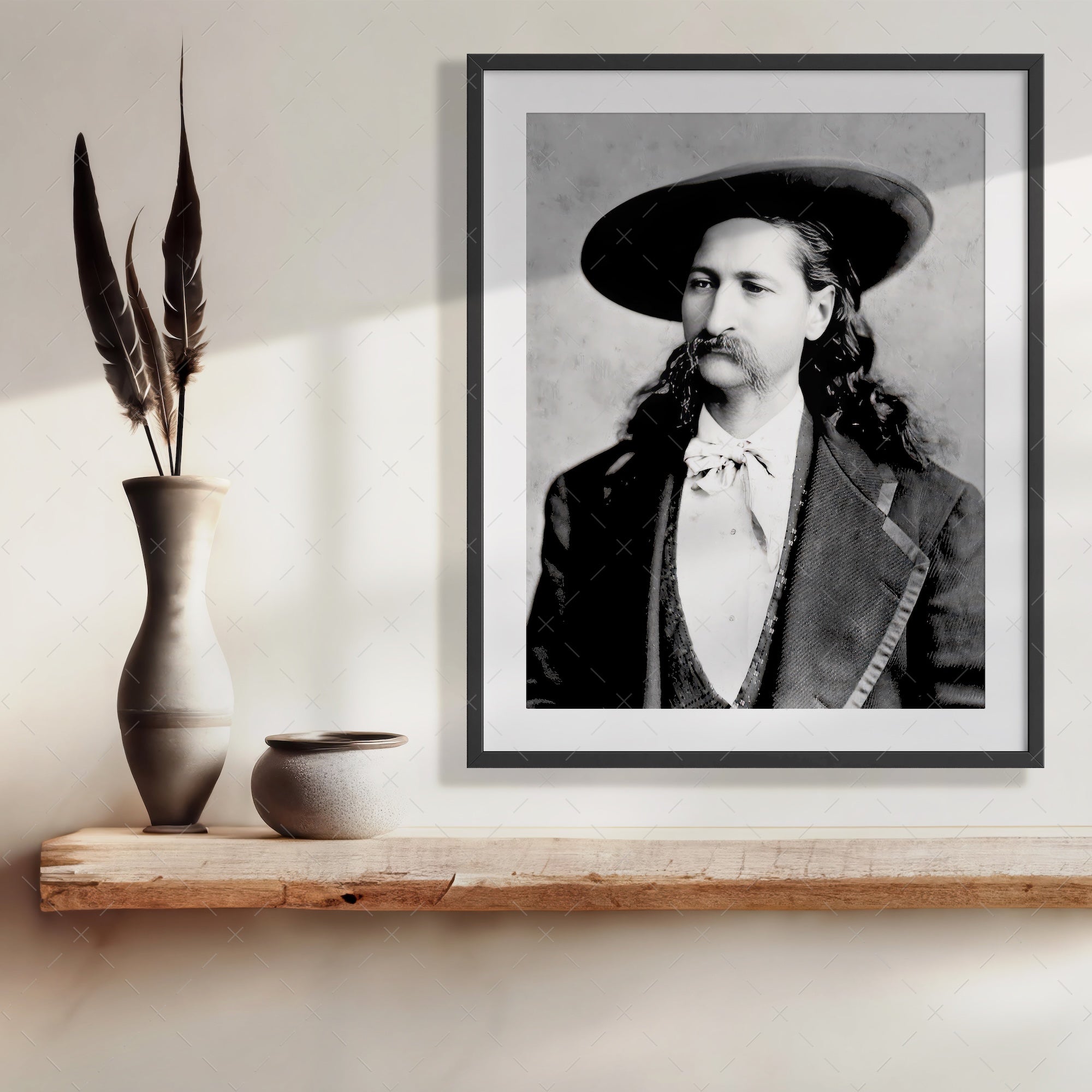
Wild Bill: The True Story of the American Frontier's First Gunfighter by Tom Clavin is an exhilarating and meticulously researched biography of James Butler “Wild Bill” Hickok, one of the most iconic figures of the American Old West. Clavin’s narrative is an exploration of the man behind the legend, focusing on the real-life exploits of Hickok and how his reputation as the West’s first gunfighter grew over time.
Clavin begins the book by tracing Hickok’s early life in Illinois, examining the factors that shaped him into a man who would become synonymous with the untamed spirit of the American frontier. Born in 1837, Hickok grew up during a period of intense national conflict, with the tensions of the Civil War shaping much of his early experiences. He started his career as a teamster and later worked as a lawman, scout, and gambler, eventually making a name for himself as a sharpshooter and gunfighter.
The biography details some of Wild Bill’s most famous and controversial moments, including the “McCanles Massacre,” which was one of his first encounters with deadly violence. Clavin provides a detailed account of how Hickok’s reputation for being quick with a gun began here, although the events and Hickok's role in them remain disputed.
Clavin spends a good portion of the book recounting Hickok’s time as a Union soldier and scout during the Civil War. This period honed Hickok’s gunfighting skills and solidified his reputation as a fierce, brave man with a penchant for justice. After the war, Hickok became a lawman in the Wild West, including famous stints in Kansas towns like Hays and Abilene, where he enforced the law with a combination of fearlessness and ruthlessness. His gunfights, particularly his legendary duel with Davis Tutt, where Hickok killed Tutt in a “quick-draw” showdown, cemented his place as the first true “gunslinger” of the American West.
Hickok’s reputation wasn’t just born from his skills with a gun, but also from the emerging media landscape of the time. Clavin discusses how dime novels and newspaper accounts, often sensationalized, contributed to turning Wild Bill into a larger-than-life legend. He was the subject of wild stories, some based in truth and others in pure fabrication. Clavin carefully differentiates between historical fact and myth, presenting a balanced view of how Hickok’s image was crafted by the media of his day.
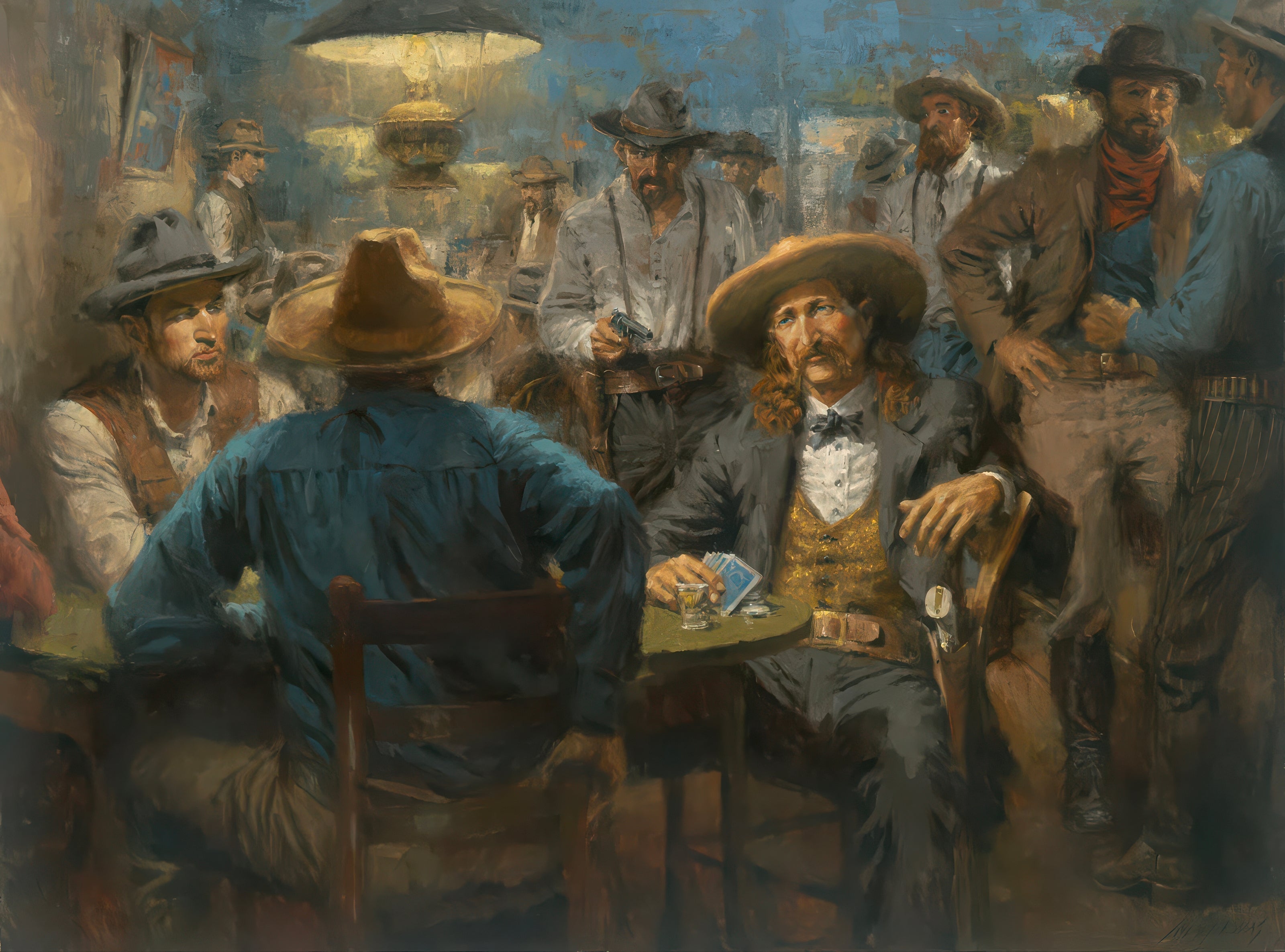
Despite his fame, Hickok’s life was marked by personal tragedies and insecurities. He was often adrift, uncertain of his future, and burdened by the weight of his legend. In his later years, Hickok struggled with failing eyesight and a deteriorating health condition, which made it increasingly difficult for him to live up to his deadly reputation. His life came to a tragic and ironic end in 1876 when he was shot in the back while playing poker in Deadwood, South Dakota. He was holding what would become known as the "dead man's hand" – aces and eights.
Clavin’s biography not only examines Hickok’s life but also delves into the broader context of the American West during his time. The book offers insights into the rapid changes that were occurring in the frontier as railroads, lawmen, and settlers encroached on Native American territories, and how men like Hickok fit into this evolving landscape. It paints a vivid picture of the West as a place of lawlessness, opportunity, and myth-making, with Hickok standing at the center as one of its defining figures.
BOOK NOTES:
- One of the standout features of Wild Bill is Clavin’s attention to historical detail. He doesn’t merely rely on popular stories and myths; instead, he digs deep into archives and historical documents to uncover the true events of Hickok’s life. This results in a more complex and accurate portrayal of Hickok, one that strips away the sensationalism and reveals the man beneath the legend.
- Clavin strikes a delicate balance between recounting the exciting, often violent episodes of Hickok’s life and exploring his personal struggles. Readers get to see Hickok not just as a gunfighter, but as a flawed individual who grappled with the fame and notoriety thrust upon him. Clavin also contextualizes Hickok’s life within the broader sweep of American history, making it clear that Hickok’s story is part of the larger narrative of the American West.
- Despite being a historical biography, Wild Bill reads like an adventure novel at times. Clavin’s writing is clear, fast-paced, and engaging, making it easy for readers to get caught up in the action of Hickok’s numerous shootouts and exploits. The narrative is peppered with vivid descriptions of frontier life, making the world of the Old West come alive on the page.
- Clavin does a commendable job of distinguishing between the real man and the mythic figure that Hickok became. He does not shy away from pointing out the exaggerations and outright falsehoods that have surrounded Wild Bill’s story for over a century, and in doing so, he provides a more human and relatable portrait of Hickok.
SUMMARY: Wild Bill: The True Story of the American Frontier's First Gunfighter is an engrossing and informative biography that paints a rich portrait of one of the West’s most enduring figures. By drawing a clear line between the real and the mythical Wild Bill, author Tom Clavin offers readers a more authentic look at the life and legacy of James Butler Hickok. For anyone interested in the American West, frontier history, or the development of American mythology, this book is a must-read.
Painting Credit: Wild Bill's Last Deal by Andy Thomas
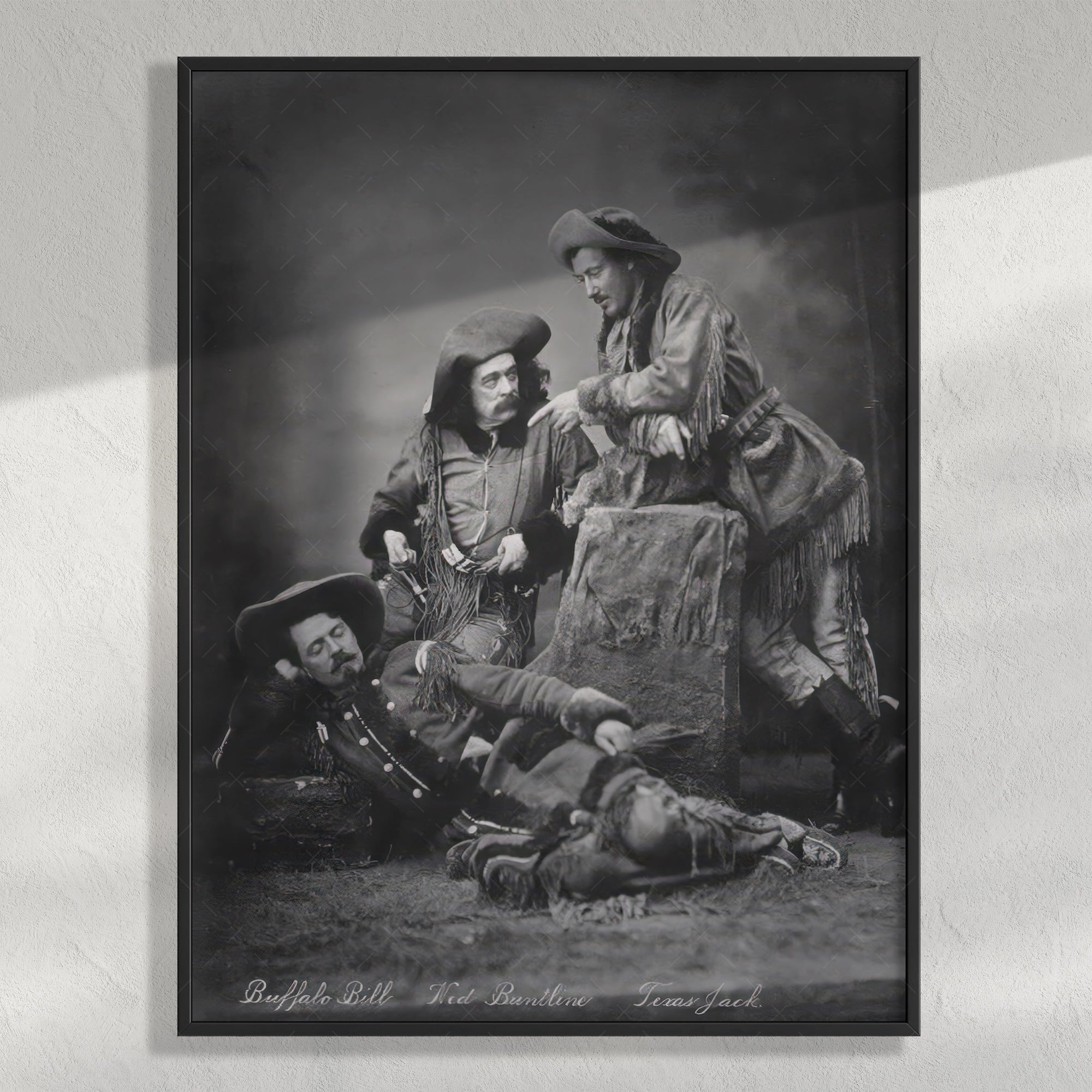
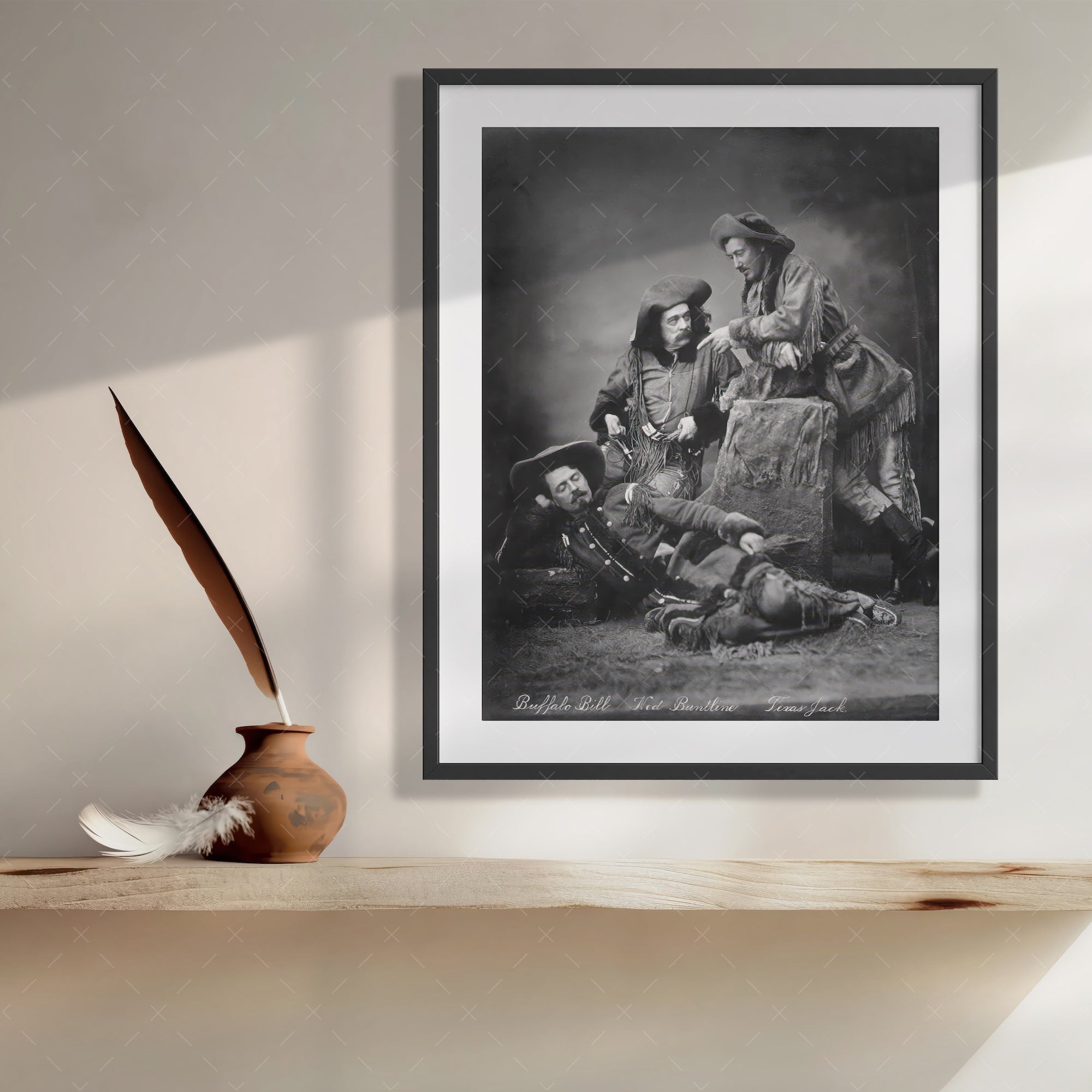
Buffalo Bill’s Life Story: An Autobiography
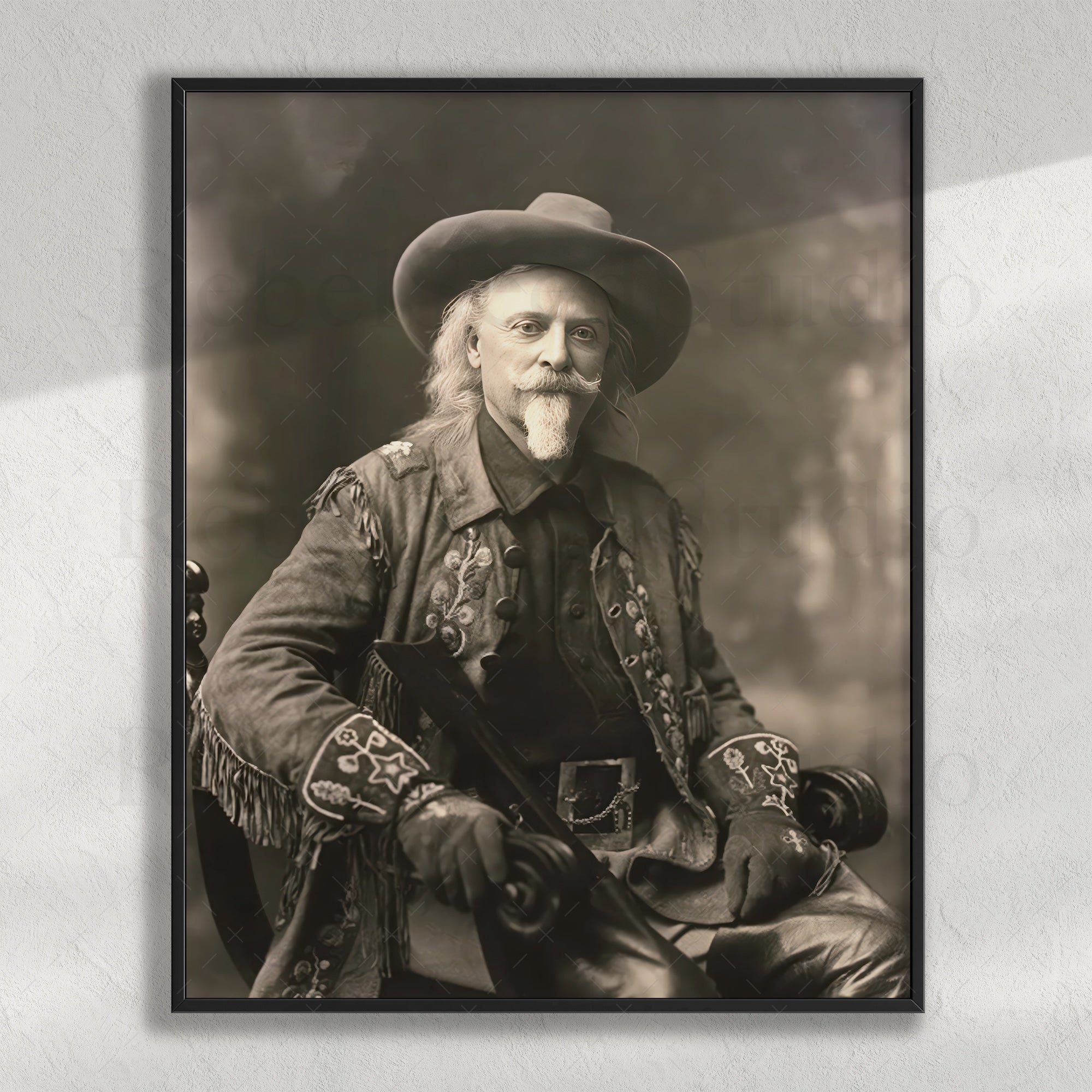
Buffalo Bill’s Life Story: An Autobiography is the personal narrative of William F. Cody, born in 1846 and better known worldwide as Buffalo Bill. This autobiography, originally published in the late 19th century, takes the reader through the remarkable, adventurous life of a man who became one of the most famous figures of the American West.
Cody begins with his childhood on the frontier, describing his family’s move from Iowa to Kansas in a turbulent period marked by conflict and the struggle over slavery. His father’s involvement in the fight against slavery, a violent attack on him, and the hardships of frontier life shape Cody’s early worldview.
Young Bill takes on rugged frontier work. He becomes a Pony Express rider, a job filled with danger and long rides across harsh terrain. This period instills in him a reputation for courage, endurance, and marksmanship - qualities that will define his public image.
Cody earned the nickname “Buffalo Bill” from his prolific hunts - he proudly recounts killing thousands of buffalo, reflecting the immense scale of buffalo hunting in that era. He also served as a U.S. Army scout, participating in military campaigns on the Plains. One notable episode he recounts is his role as a guide in actions that later earned him the Medal of Honor.
Throughout the narrative, Cody describes engagements with Native American tribes, often depicting battles and pursuits. His portrayals reflect the perspectives and attitudes of his time - both the conflict and his views on frontier struggle.
The latter part of the autobiography moves toward Cody’s transformation into a showman and cultural icon. Discontent with hunting and scouting alone, he turned to entertainment. Cody founded Buffalo Bill’s Wild West, a traveling performance that dramatized frontier life, cowboy skills, and staged “Indian” scenes, achieving massive national and international popularity.
Toward the end of the book, Cody reflects on the closing of the traditional frontier and the transformation of the West. He expresses hope for fair treatment of Native Americans and acknowledges the mixing of cultures that defined the region’s history.
BOOK NOTES:
- Because it’s written in Cody’s own words, this autobiography provides a valuable primary source on frontier life and the development of Western myth - offering details and attitudes rarely captured elsewhere.
- Buffalo Bill’s engaging, vivid storytelling brings to life the danger, excitement, and drama of adventures on the Plains. His accounts of riding with the Pony Express, buffalo hunting, and scouting provide memorable, sometimes thrilling narrative moments.
- The narrative also acts as a bridge between reality and myth. It shows how Cody’s own experiences helped shape the popular image of the American West, which he later amplified through his Wild West show - a defining entertainment of its era.
- Note that Cody’s account reflects the attitudes and assumptions of his time, including views toward Native Americans and frontier conflict that modern readers may find troubling or outdated. The narrative rarely questions the violence of conquest or its consequences.
- Because Cody helped shape his own legend, some events can feel embellished or larger-than-life, blending firsthand experience with stereotype and frontier bravado. Readers should approach it with an awareness that the line between personal memory and mythmaking is often blurred.
SUMMARY: Buffalo Bill’s Life Story: An Autobiography is a foundational Western autobiography - a vivid, firsthand account that helped shape the mythic image of the American frontier. It captivates with stories of buffalo hunts, daring rides, and frontier battles, and it offers insight into how one man’s life became entwined with national legend. Recommended for readers interested in the Old West and frontier history, fans of Western legend and folklore, and those studying how individual storytelling shaped American myth.
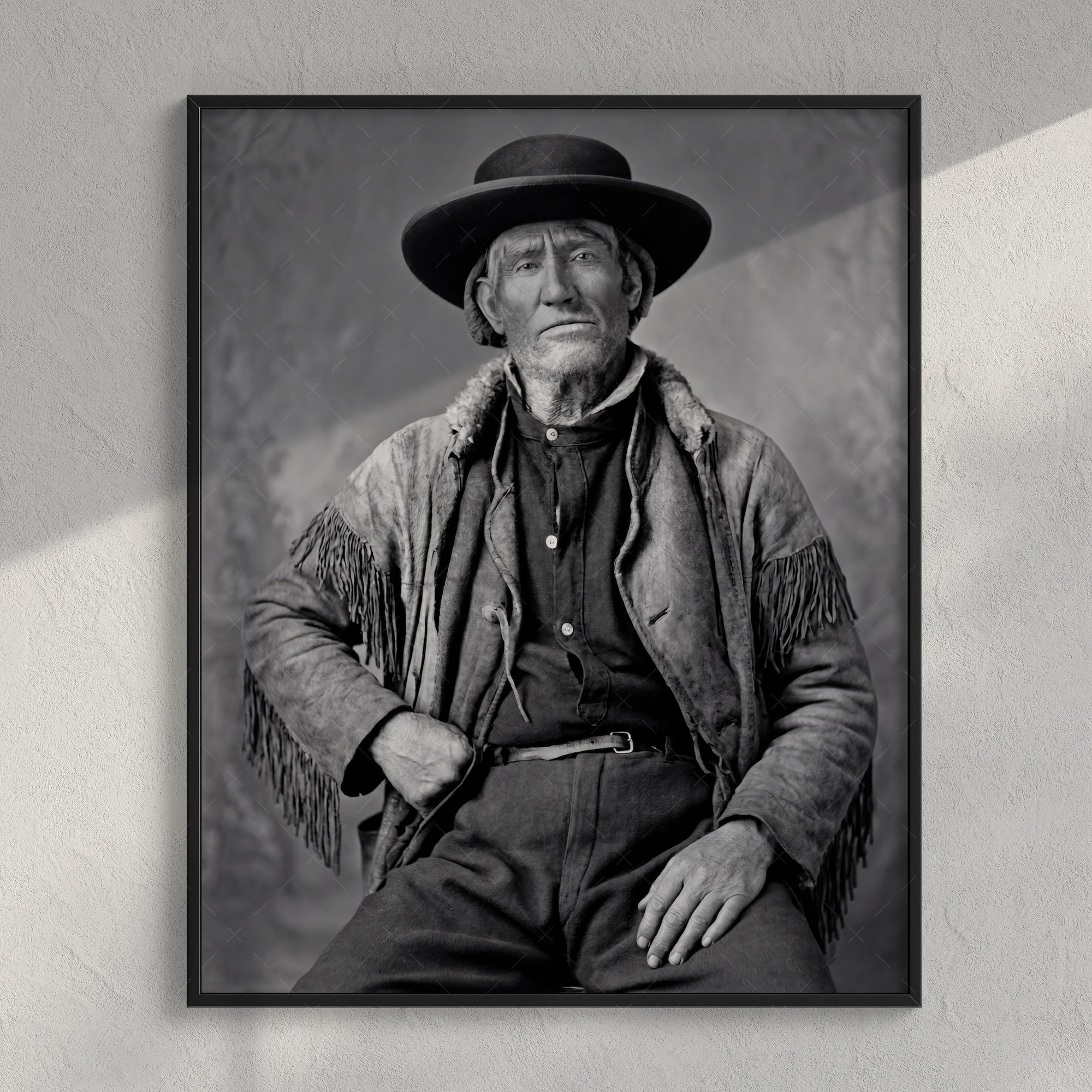
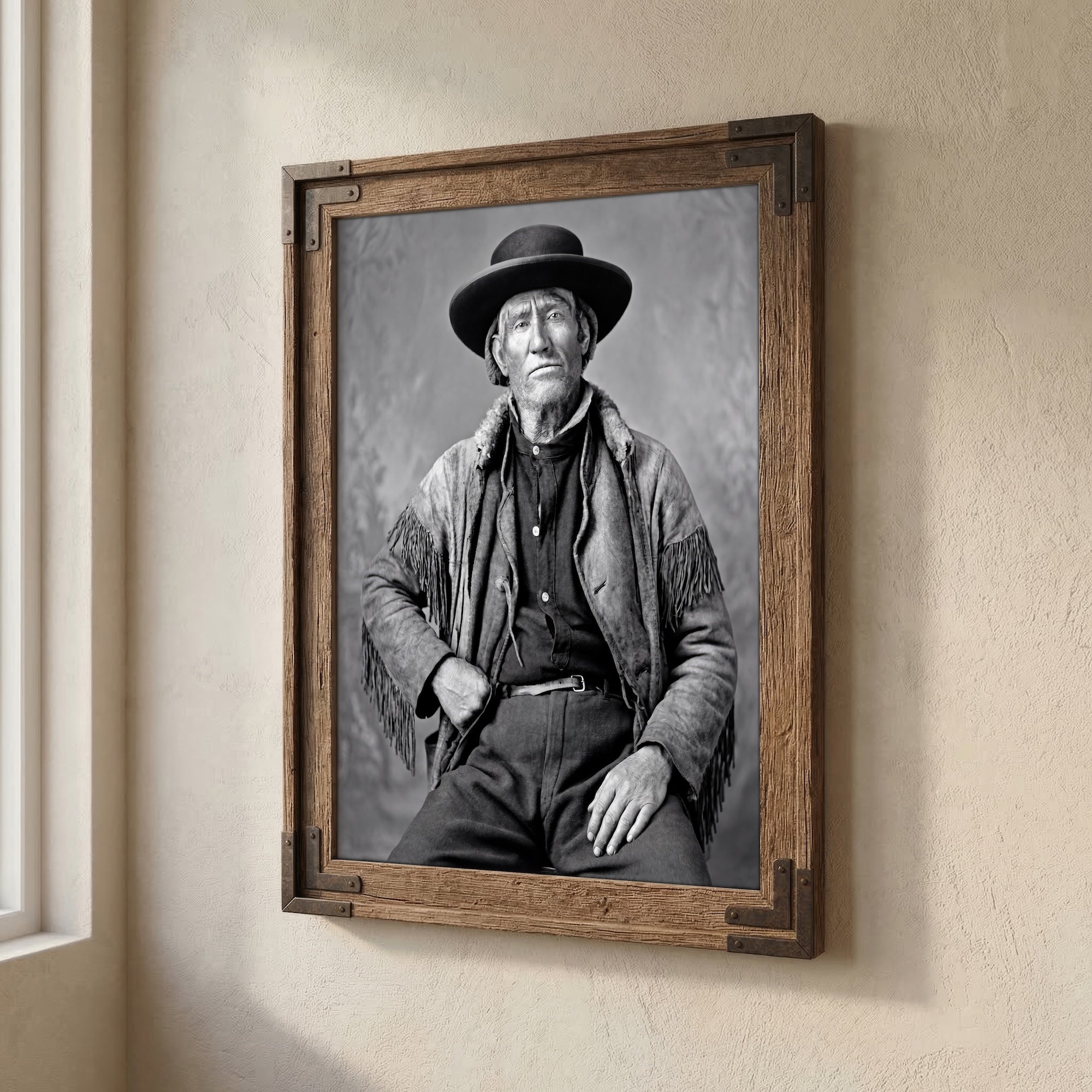
Jim Bridger: Trailblazer of the American West
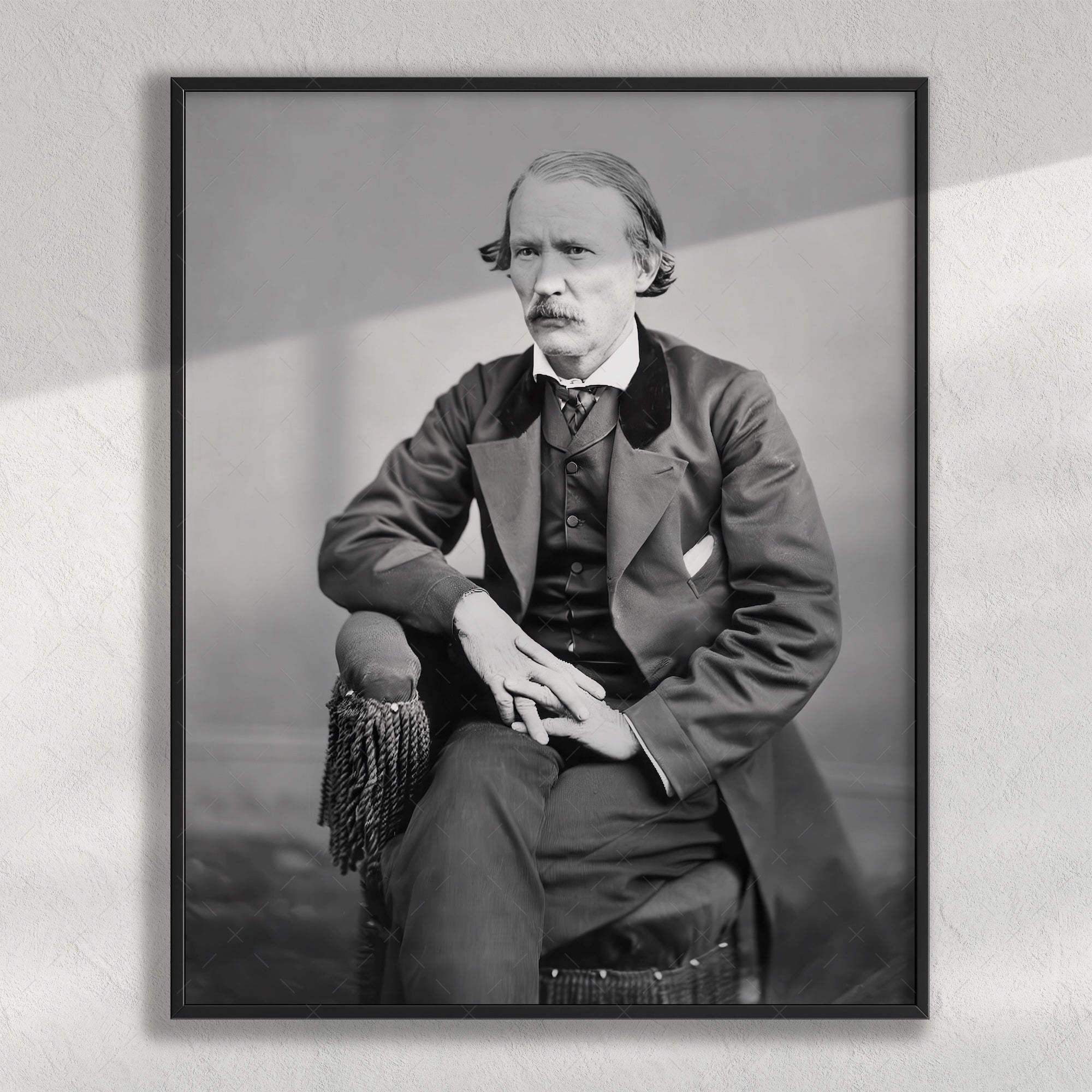
Jim Bridger: Trailblazer of the American West offers a comprehensive, chronological biography of one of the most enduring figures of the 19th-century American frontier. Author Jerry Enzler paints Bridger not just as a rugged mountain man of lore but as a central actor in the exploration, trade, and opening of the West.
Born in 1804 in Virginia, Bridger was orphaned in his early teens and eventually traveled up the Missouri River in 1822 with a brigade of young men recruited by William H. Ashley and Andrew Henry to trap beaver - part of the famed fur trade era.
Though illiterate, Bridger had a penchant for wilderness knowledge, mastering the terrain of the Rockies, learning multiple tribal languages, and forging relationships with many Native American nations.
He was among the first Euro-Americans to explore the Great Salt Lake and the Yellowstone region, and he demonstrated extraordinary skill navigating rivers like the Bighorn.
As the fur trade waned, Bridger transitioned into guiding, trading, and settlement support. He established Fort Bridger along the Oregon and California Trails - a key hub for emigrants, traders, soldiers, and surveyors.
Bridger guided government expeditions, military units, and gold-rush emigrants. He also played roles in mapping tribal boundaries for treaty negotiations. His deep understanding of tribal politics and the landscape made him invaluable, and sometimes at odds with both Native nations and U.S. authorities.
Bridger married into Indigenous communities (Flathead, Ute, and Shoshone) and fathered several children, reflecting his complex and long-standing interactions with Native cultures.
In his final years, Bridger lived away from the mountains, partially blind, reflecting on a life that helped shape the American West. He died in 1881. Enzler emphasizes Bridger’s lasting impact on routes, exploration, and cross-cultural relations that would echo throughout U.S. expansion.
BOOK NOTES:
- Enzler’s biography is widely praised for its meticulous archival work and depth of detail. He draws on decades of sources overlooked in earlier biographies, offering a fuller picture of Bridger’s life and times than many previous works.
- The book doesn’t just tell Bridger’s personal story; it places him amid major historical currents: the fur trade, westward migration, Native diplomacy, and early U.S. military campaigns.
- Unlike some older mountain-man narratives that gloss over Native perspectives or frontier violence, Enzler strives for nuance - acknowledging Bridger’s respect for many tribes while not shirking the harsh realities of expansion.
- The book received positive endorsements from historians and literary awards, including the True West Magazine Best of the West and being a Spur Award finalist by Western Writers of America.
SUMMARY: Jim Bridger: Trailblazer of the American West succeeds as a definitive modern biography of a pivotal figure in U.S. frontier history. It’s especially rewarding for readers who enjoy deep, well-researched nonfiction that situates a single life amid broader historical transformation. Expect a rich historical tapestry - one that celebrates Bridger’s remarkable achievements while honestly wrestling with the complexities and contradictions of westward expansion. Recommended for lovers of Western history, biographies of explorers/pathfinders, and readers seeking serious historical context.
Deadwood: Gold, Guns, and Greed in the American West
Deadwood: Gold, Guns, and Greed in the American West tells the true story of Deadwood, South Dakota, from its explosive birth in the Black Hills gold rush of the mid‑1870s to its rapid rise as a notorious frontier settlement and its eventual transformation into a more stable, enduring community. Written by award‑winning historian Peter Cozzens, the book combines meticulous research with vivid narrative storytelling to separate myth from fact in the history of this legendary town.
The book begins with the discovery of gold in the Black Hills - territory that, under the 1868 Fort Laramie Treaty, belonged to the Lakota Sioux. Prospectors ignored treaty protections and surged into the region, and by April 1876 Deadwood had grown from a scattering of tents to a boomtown of thousands within weeks. Because the settlement stood outside U.S. jurisdiction, no formal law or government controlled it at first.
Cozzens portrays Deadwood not simply as a den of vice but as a complex, chaotic place shaped by economic opportunity, greed, and human ambition. Through detailed profiles and episodes, he brings to life a cast of figures both famous and obscure, including:
- Wild Bill Hickok - the legendary gunfighter whose attempted respectability ended in assassination during a poker game
- Calamity Jane - the outspoken frontierswoman known for her toughness and unorthodox behavior
- Al Swearingen - a saloon‑keeper and brothel entrepreneur emblematic of Deadwood’s grittier side
- Seth Bullock - the first sheriff whose firm law‑enforcement helped bring some order to the unruly town
Cozzens also examines ordinary life on the frontier - the hardship of mining, the prevalence of alcohol and gambling, and the dangerous conditions that made disease and violence common. The book does not shy away from hard truths, including the brutal exploitation of sex workers and the town’s position as an illegal encampment built on stolen Indigenous land.
While Deadwood could be lawless, it also exhibited unusual diversity and moments of tolerance for its time. Chinese immigrants, Black Americans, and Jews found roles in the community, and Cozzens discusses how ethnic relations—while imperfect—were more varied than in many comparable Western towns.
Deadwood’s heyday was short. As gold became harder to extract and fires ravaged the mostly wooden town, its chaotic boom years faded. By the early 1880s, more formal government structures took hold, and Deadwood began transitioning from an outlaw mining camp into a settled community, eventually evolving further into a modern historic and tourist site.
Cozzens also places Deadwood in the broader sweep of American expansion, linking the town’s growth to U.S. policy toward Indigenous peoples and the economic forces driving westward settlement.
BOOK NOTES:
- Cozzens excels at dismantling romanticized portrayals of Deadwood popularized by TV and fiction. He shows that the real town’s story - rooted in greed, opportunism, and legal ambiguity - was as dramatic as any legend.
- The book humanizes historical figures often reduced to archetypes. Rather than mere caricatures, people like Hickok, Calamity Jane, and Bullock emerge with nuance and complexity.
- Cozzens grounds the narrative in political and cultural context, explaining how treaty violations, federal ambitions, and Indigenous displacement underpinned Deadwood’s creation.
- Though the town is presented as lawless and often violent, Cozzens also reveals its self‑reliance, community cooperation, and surprising openness to diverse groups of residents.
SUMMARY: Deadwood: Gold, Guns, and Greed in the American West is a masterful, richly researched history that both entertains and enlightens. Cozzens demonstrates that the reality of Deadwood was as fascinating as its myth, and by highlighting both depravity and resilience, he offers a deeper understanding of how frontier communities functioned in the crucible of U.S. expansion. This book is ideal for readers of Western history, true‑crime narrative, and cultural studies of the American West.
Also See...
The Summer of 1876: Outlaws, Lawmen and Legends in the Season That Defined the American West