
Gritty Crime Mysteries: 5 Books Worth Reading (Book Notes)
Book notes contain spoilers.
Most books in this curated list are available from online bookstores or via your preferred bookseller.
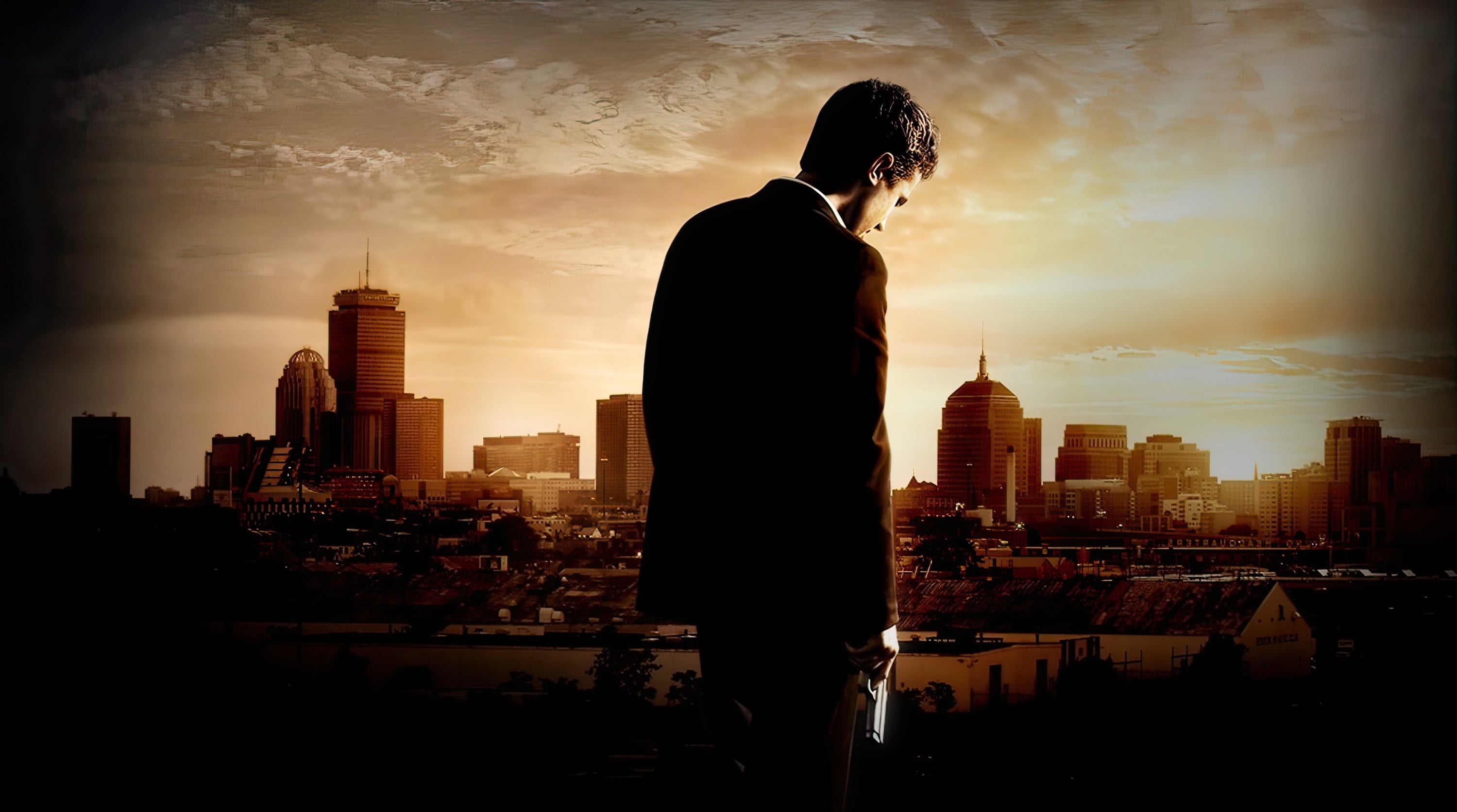
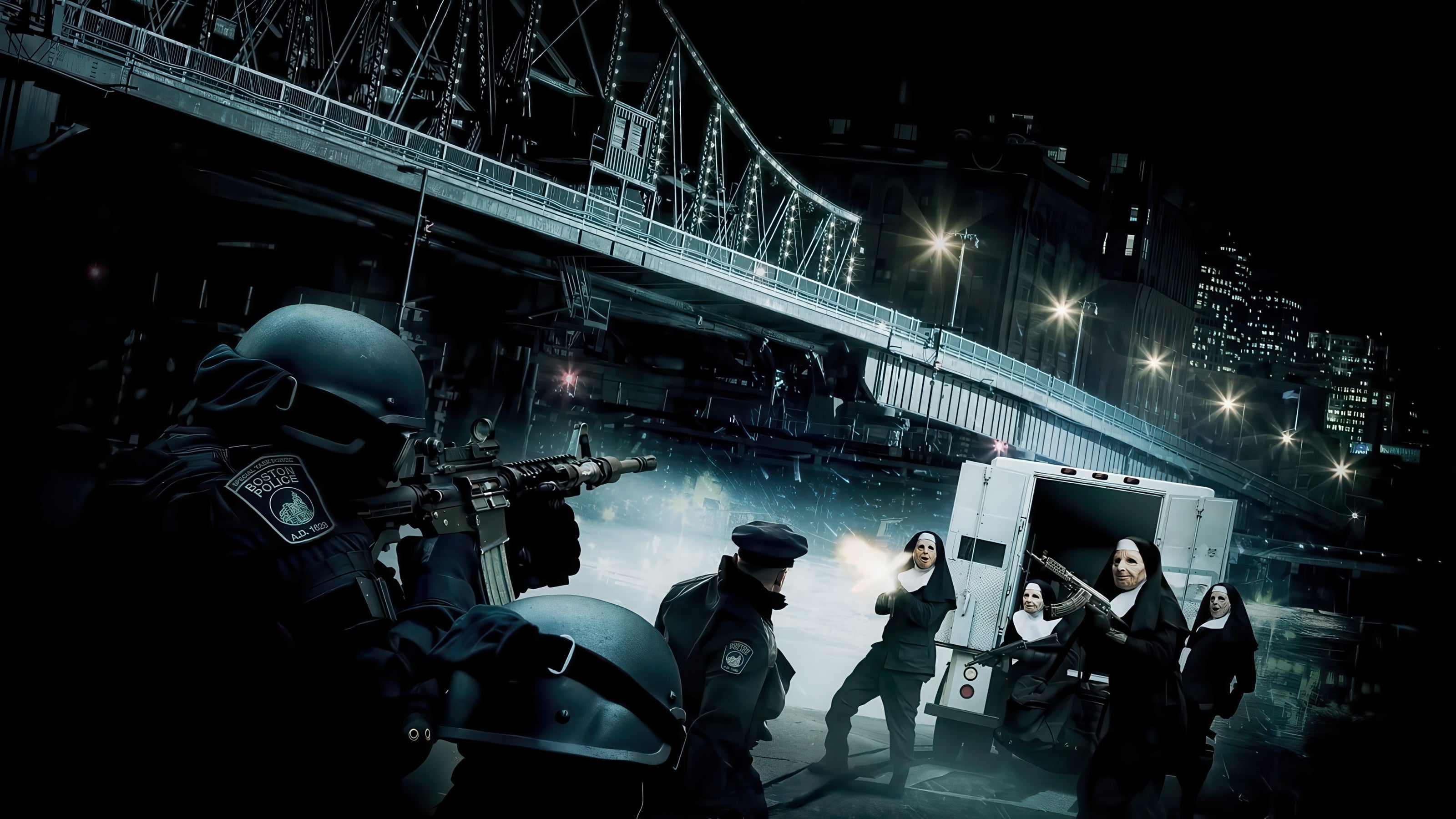
Prince of Thieves (book adapted as the movie "The Town")
Prince of Thieves by Chuck Hogan is a gritty, intense crime novel set in the blue-collar town of Charlestown, Massachusetts, a neighborhood notorious for producing generations of bank robbers. The novel follows Doug MacRay, a career criminal who is the leader of a tight-knit group of bank robbers. They specialize in meticulously planned heists, always managing to stay one step ahead of the law.
Doug’s crew consists of his childhood friend and right-hand man, Jem Coughlin, who is volatile and violent, along with a few other trusted members. The story kicks off with a daring bank robbery, where they take Claire Keesey, the bank's manager, hostage for a brief period. Claire is eventually released unharmed, but Doug becomes infatuated with her after the heist, despite her being a potential witness who could identify him and his crew to the FBI.
As Doug starts a relationship with Claire - without revealing his true identity - he begins to question his life as a criminal. He yearns for a way out of Charlestown, the life of crime, and the shadow of his imprisoned father. But leaving the underworld proves to be more difficult than Doug anticipated, especially with Jem’s reckless nature threatening to drag him deeper into danger.
Meanwhile, FBI Special Agent Adam Frawley is closing in on Doug’s crew. Frawley is methodical and relentless, determined to capture the notorious bank robbers, whom he knows are responsible for a string of high-profile heists in the area. As Frawley gets closer, Doug is forced to make tough decisions, caught between loyalty to his crew, his growing feelings for Claire, and his desire to leave behind a life of crime.
As tensions escalate, Doug agrees to participate in one last major job at Fenway Park, the score of a lifetime that could allow him to escape for good. But the heist doesn’t go as planned, leading to a violent showdown that puts everything Doug cares about at risk. The novel builds to a gripping climax, where Doug faces the ultimate test of loyalty, love, and survival.
BOOK NOTES:
Chuck Hogan’s Prince of Thieves is a masterful blend of character-driven drama and suspenseful crime storytelling. It offers a deep dive into the psychological and emotional lives of its characters, particularly Doug MacRay, who is portrayed as a man torn between the allure of criminality and the desire for redemption. Hogan excels at creating a gritty, authentic atmosphere in Charlestown, giving the story a strong sense of place and making the characters' struggles feel real and immediate.
- Doug MacRay is a compelling antihero. Hogan explores his internal conflicts in a nuanced way, making him both sympathetic and flawed. Doug’s relationship with Claire adds layers to his character, as he grapples with his criminal past and the possibility of a different future. The tension between Doug’s desire for a new life and his loyalty to his crew is one of the novel’s central themes, driving much of the emotional weight of the story.
- The relationship between Doug and Jem Coughlin is one of the highlights of the book. Jem’s unpredictability and violent tendencies create an ever-present sense of danger. While Doug is calculating and more introspective, Jem’s recklessness serves as a counterbalance, adding intensity to the narrative. Their bond, rooted in childhood and shared history, feels authentic, and their diverging paths provide much of the novel’s conflict.
- Hogan paints a vivid picture of both sides of the law. The detailed planning of the heists feels realistic, and Hogan shows the psychological toll that living a life of crime takes on the characters. On the law enforcement side, FBI Agent Adam Frawley is portrayed as a smart and dogged investigator, whose presence adds suspense as he inches closer to catching Doug’s crew.
- The novel delves into themes of loyalty, betrayal, and redemption. Doug’s moral quandary - whether to continue in the criminal world or escape with Claire - is handled with nuance, making his eventual decisions all the more impactful. The story doesn’t provide easy answers, leaving readers to ponder the grey areas of morality, justice, and personal responsibility.
- Hogan builds tension throughout the novel, especially as the FBI closes in and Doug is drawn deeper into his conflicting desires. The heists are thrilling and well-paced, with the final act at Fenway Park serving as a climactic, pulse-pounding sequence that delivers on both action and emotional stakes.
SUMMARY: Prince of Thieves is a compelling crime novel that offers more than just action and suspense. Chuck Hogan’s focus on character development, particularly Doug MacRay’s internal struggles, elevates the book beyond a typical heist story. The moral dilemmas and emotional depth give the novel a sense of gravitas, while the high-stakes action sequences, particularly the final heist, provide plenty of thrills. For readers who enjoy crime fiction with a strong emphasis on character psychology and moral ambiguity, Prince of Thieves is a satisfying and thought-provoking read. It’s no surprise that the novel was adapted into the critically acclaimed 2010 film The Town, directed by and starring Ben Affleck, which captured much of the same tension, grit, and emotional complexity found in Hogan’s original work.
Gone Baby Gone
Gone Baby Gone is a gripping crime thriller and the fourth novel in Dennis Lehane’s popular Kenzie and Gennaro series. Set in the gritty, working-class neighborhoods of Boston, the novel follows private investigators Patrick Kenzie and Angela Gennaro as they are hired to search for a missing child, four-year-old Amanda McCready.
Amanda has disappeared from her home in Dorchester, a run-down part of the city, and her mother, Helene McCready, is a negligent drug addict who seems more concerned with partying than with her daughter’s well-being. The case initially garners a lot of media attention, and the Boston police, led by Captain Jack Doyle, are already investigating. Despite the heavy involvement of the police, Amanda’s aunt, Beatrice McCready, hires Kenzie and Gennaro to supplement the search, believing the pair might find information that the official investigation has missed.
As Patrick and Angie dive deeper into the investigation, they uncover disturbing secrets about Amanda’s family and the dangerous world of drugs and crime that surrounds her. Helene’s neglect and involvement with shady characters, including local drug dealers, make it clear that Amanda's disappearance may not be a simple kidnapping case. As the trail leads the detectives through the underbelly of Boston’s crime scene, Patrick and Angie start to question the motivations of everyone involved, including the police and Amanda’s family.
The novel takes a dark turn when Patrick and Angie discover that Amanda’s disappearance is connected to a larger conspiracy, one that involves police corruption and morally ambiguous decisions. They must navigate a murky ethical landscape, confronting the question of what is truly in the best interest of the child. The case leads to intense moral dilemmas, especially for Patrick, whose personal values and professional ethics are severely tested.
Without giving too much away, the story builds to a heart-wrenching climax, forcing Patrick to make a gut-wrenching decision about Amanda’s fate. The novel’s ending is both shocking and thought-provoking, leaving readers to ponder the complexities of morality, justice, and what it means to do the right thing.
BOOK NOTES:
Dennis Lehane’s Gone Baby Gone is a dark and thought-provoking crime novel that goes beyond the traditional boundaries of the genre, exploring deep moral and ethical questions. Lehane masterfully weaves a suspenseful mystery with a nuanced exploration of the characters’ internal struggles and the harsh realities of urban life.
- One of the novel’s greatest strengths is its rich character development. Patrick Kenzie and Angela Gennaro are fully realized characters with complex personalities and relationships. Their dynamic, both as partners and as former lovers, adds an emotional layer to the story. Patrick, in particular, is a conflicted character whose struggle to balance his personal ethics with the demands of the case is compelling. Helene McCready is another standout character - a portrait of neglectful motherhood that feels both real and tragic.
- Lehane’s exploration of moral ambiguity sets Gone Baby Gone apart from typical crime thrillers. The novel raises difficult questions about justice, the role of law enforcement, and the welfare of children, all while presenting scenarios where there is no clear "right" or "wrong" answer. The decisions Patrick faces, especially in the novel’s climax, challenge the reader’s own sense of morality, making this more than just a detective story. Lehane doesn't offer easy answers, and the novel’s open-ended conclusion leaves room for debate and introspection.
- Lehane’s portrayal of Boston’s working-class neighborhoods is gritty and realistic, grounding the story in a vividly rendered environment. The author expertly captures the city’s atmosphere, from its rough streets to its struggling communities. This sense of place adds depth to the novel, making the world of the story feel both tangible and immersive.
- The novel is tightly plotted, with twists and turns that keep the reader engaged throughout. Lehane builds suspense with every chapter, carefully revealing layers of the mystery until the shocking truth is finally uncovered. The pacing is relentless, and the stakes are high, particularly as Patrick and Angie realize that the case is far more complex than they initially thought.
- At its core, Gone Baby Gone is a story about family, both biological and chosen. Patrick and Angie’s relationship, Amanda’s neglectful family, and the complicated dynamics within the police force all serve as lenses through which Lehane explores the theme of loyalty. The novel forces its characters (and readers) to ask: What does it mean to protect someone? And how far are you willing to go to keep those you love safe?
SUMMARY: Gone Baby Gone is an exceptional crime thriller that transcends the genre by delving into complex moral and ethical questions. Lehane’s ability to create fully realized characters, combined with his sharp plotting and atmospheric setting, makes this novel a standout in his body of work. The novel challenges readers to grapple with difficult questions about justice, loyalty, and the meaning of doing the right thing. Gone Baby Gone is a must-read for fans of crime fiction who appreciate a deeper, thoughtful exploration of the human condition. The novel’s blend of intense suspense and psychological depth ensures that it will stay with readers long after they’ve turned the last page.
Heat 2
Heat 2 is both a prequel and a sequel to Michael Mann's landmark 1995 crime film Heat. Co-written with bestselling crime novelist Meg Gardiner, the novel expands the world of Vincent Hanna, Neil McCauley, and Chris Shiherlis by telling a story that unfolds across multiple timelines and continents. Rather than simply continuing the events of the film, Heat 2 explores how its principal characters became who they were before the movie while revealing the consequences of the film's explosive ending. The result is a sprawling crime epic that combines heists, international organized crime, psychological drama, and relentless police investigations.
The novel opens immediately after the conclusion of Heat. Neil McCauley has been killed by LAPD Lieutenant Vincent Hanna beneath the lights of Los Angeles International Airport. Chris Shiherlis, the only surviving member of McCauley's crew, is badly wounded and hiding in Koreatown. Every law enforcement agency in Southern California is searching for him, while Hanna is personally determined to finish what began with the disastrous bank robbery.
Chris understands that remaining in Los Angeles means certain capture or death. With help from former associates and criminal contacts established over years of professional robbery, he begins a desperate escape through Mexico and eventually into South America. His primary motivation is not simply survival but the hope of one day reuniting with his former wife, Charlene, and their son. That emotional objective becomes the driving force behind every decision he makes.
The narrative then shifts back to 1988, seven years before the events of Heat. Neil McCauley is already one of the most disciplined professional thieves operating in America. Together with Chris Shiherlis, Michael Cheritto, Trejo, and other trusted associates, he undertakes increasingly ambitious robberies across California, Chicago, and the Southwest. Their criminal philosophy remains unchanged: careful planning, emotional detachment, and absolute professionalism.
During this earlier period, the crew targets high-value cash shipments and cartel money, bringing them into conflict with powerful criminal organizations operating on both sides of the U.S.-Mexico border. Neil's extraordinary planning allows the crew to execute complex robberies with military precision, but every successful score creates new enemies among organized crime figures whose resources extend far beyond ordinary police departments.
Running parallel to McCauley's story is Vincent Hanna's career as a Chicago homicide detective. Russell (through Mann and Gardiner) greatly expands Hanna's background, revealing a younger investigator whose obsessive commitment to police work already dominates every aspect of his personal life. Hanna becomes consumed by the pursuit of a vicious crew of home invaders responsible for a series of brutal murders, sexual assaults, and robberies. Unlike McCauley's disciplined professionals, these criminals thrive on sadistic violence, making them among the most disturbing antagonists in the Heat universe.
As Hanna's investigation progresses, he develops many of the investigative methods and psychological instincts that later define him in Heat. His ability to understand the minds of violent criminals grows alongside his increasing isolation from family life, illustrating how his obsession with justice comes at enormous personal cost.
Meanwhile, Neil McCauley's operations begin intersecting with larger criminal networks. A successful robbery involving cartel money triggers a chain of retaliation that extends well beyond the immediate theft. Neil's professionalism earns him respect from some underworld figures while making him a target for others who value intimidation over discipline.
The novel eventually returns to the post-Heat timeline. Chris establishes a new identity in Paraguay, where he becomes involved with a powerful international crime syndicate engaged in money laundering, narcotics trafficking, and global financial crime. Chris hopes these dangerous alliances will eventually provide enough resources to recover Charlene and begin a new life.
Instead, he finds himself trapped within an expanding web of transnational organized crime stretching across South America and Southeast Asia. Powerful crime bosses manipulate governments, financial institutions, and legitimate businesses while eliminating rivals with ruthless efficiency. Chris's survival depends upon applying everything Neil McCauley taught him about preparation, patience, and emotional discipline.
Vincent Hanna eventually follows separate investigations that gradually converge with Chris's new criminal world. At the same time, Hanna pursues another extraordinarily dangerous figure: Otis Wardell, a calculating serial murderer and home-invasion leader whose violence far exceeds that of most criminals Hanna has encountered. Wardell becomes one of the novel's principal villains, representing chaotic brutality in contrast to McCauley's professional criminal code.
Throughout the novel, Mann and Gardiner repeatedly contrast different philosophies of crime. Neil McCauley represents discipline, planning, and emotional control. Chris struggles to preserve those principles while adapting to an increasingly complex criminal landscape. Hanna remains defined by relentless pursuit, believing that criminals can never truly escape justice regardless of how sophisticated they become.
The multiple timelines gradually converge as characters, relationships, and earlier decisions produce consequences years later. Readers witness the formative experiences that shaped both Hanna and McCauley long before their famous confrontation while also seeing how Neil's death continues influencing Chris's life years afterward.
Rather than ending with a single climactic gun battle, Heat 2 concludes by emphasizing the enduring psychological connection between hunter and hunted. Chris ultimately confronts both his criminal past and uncertain future, while Hanna continues the lifelong pursuit that has defined his identity. The novel leaves readers with the same mixture of melancholy, professionalism, and existential reflection that distinguished the original film, suggesting that neither criminals nor lawmen ever truly escape the lives they have chosen.
BOOK NOTES:
Heat 2 is an unusually ambitious crime novel that succeeds on two levels. It serves as an expansion of one of the greatest crime films ever made while also standing as a sophisticated thriller in its own right. Rather than relying solely on nostalgia, Michael Mann and Meg Gardiner create a story that deepens the psychology of familiar characters and broadens the scope of the Heat universe into an international crime saga.
- The novel's greatest achievement is its faithful recreation of Michael Mann's distinctive voice. Readers familiar with Heat, Thief, Collateral, or Miami Vice will immediately recognize the precision, professionalism, and existential tone that characterize his films. Every robbery, surveillance operation, pursuit, and conversation reflects Mann's fascination with highly skilled professionals whose identities are inseparable from their work.
- Neil McCauley remains one of crime fiction's most compelling antiheroes. Even though readers already know his fate from the original film, the prequel sections enrich his character by revealing additional layers of intelligence, leadership, and emotional restraint. His mentorship of Chris Shiherlis becomes particularly moving because readers understand the lasting influence Neil's philosophy will have after his death.
- Chris Shiherlis arguably becomes the novel's true protagonist. Freed from Neil's shadow, he evolves into a complex character torn between criminal survival and the hope of reclaiming his family. His journey through South America and Southeast Asia transforms the novel from a conventional heist story into an international thriller involving global finance, narcotics trafficking, and organized crime.
- Vincent Hanna receives equally significant development. The younger Hanna depicted in the 1988 storyline explains many of the obsessions and personal sacrifices visible in the original film. His investigations are intellectually engaging while revealing the emotional costs of a career devoted entirely to hunting violent offenders.
- Meg Gardiner's contribution is especially evident in the novel's pacing and structure. The multiple timelines could easily become confusing, yet they remain remarkably coherent as the narrative alternates between 1988, 1995, and the years following Heat. Each timeline builds suspense independently while gradually revealing connections between past decisions and future consequences.
- Another notable strength is the book's global scope. Whereas Heat focused primarily on Los Angeles, Heat 2 expands into Chicago, Mexico, Paraguay, Southeast Asia, and international financial networks. This broader canvas demonstrates how organized crime evolved during the late twentieth century while preserving the intimate character focus that made the original story so memorable.
- The action sequences are exceptional. Mann's cinematic eye translates effectively to prose, producing robberies, surveillance operations, shootouts, and escapes that are vividly described without becoming excessive. The tactical realism that distinguished Heat remains fully intact.
- The novel's greatest challenge is also one of its greatest strengths: its complexity. The large cast of characters, shifting timelines, numerous international locations, and intricate criminal organizations require careful attention. Readers unfamiliar with the original Heat may occasionally struggle to appreciate the emotional significance of returning characters and relationships. Likewise, some sections devoted to international crime networks and logistics may feel overly detailed for readers seeking a faster-paced thriller.
SUMMARY: Heat 2 stands among the finest crime novels inspired by a motion picture. Rather than merely extending a beloved story, Mann and Gardiner deepen its themes of professionalism, loyalty, obsession, and the impossibility of escaping one's chosen life. The novel respects the intelligence of its readers, refusing simplistic heroes or villains while presenting crime and law enforcement as parallel worlds governed by discipline, sacrifice, and personal codes. Heat 2 is a masterful crime epic that honors the legacy of the original film while expanding it into a richly layered novel of international scope. Combining Michael Mann's meticulous realism with Meg Gardiner's storytelling expertise, it delivers an emotionally satisfying continuation that feels both cinematic and literary. For admirers of Heat, it is an essential companion; for fans of intelligent crime fiction, it stands as one of the strongest thrillers of the past decade.
Mystic River
Mystic River, written by Dennis Lehane (and adapted into the 2003 film), is a gripping crime novel that delves into the dark corners of human nature, exploring themes of trauma, friendship, and the irrevocable impact of the past on the present. Set in a working-class Boston neighborhood, the novel weaves a complex narrative of three childhood friends whose lives are forever changed by a tragic event.
The story begins in 1975 in a blue-collar neighborhood of Boston, where three boys - Jimmy Marcus, Sean Devine, and Dave Boyle - are playing in the street. Their lives take a dark turn when Dave is abducted by two men posing as police officers and subjected to a horrifying ordeal before he manages to escape. This traumatic event severs the close bond between the friends and leaves lasting scars.
Fast forward twenty-five years, and the boys have grown into men leading very different lives. Jimmy Marcus, a reformed ex-convict, now owns a corner store and is devoted to his family. Sean Devine is a detective with the Massachusetts State Police, estranged from his wife and grappling with his own issues. Dave Boyle, still haunted by his childhood trauma, struggles with his mental health and the challenges of family life.
The lives of these three men intersect once again when Jimmy's 19-year-old daughter, Katie, is found brutally murdered. The discovery shatters the community and sets off a chain of events that bring long-buried secrets to the surface. Sean is assigned to the case, and as he delves into the investigation, he must navigate the complex web of relationships and tensions that bind him to his old friends.
Dave becomes a suspect when he returns home on the night of the murder covered in blood, claiming to have been in a fight with a mugger. His increasingly erratic behavior and inability to provide a clear alibi cast further suspicion on him. Meanwhile, Jimmy, consumed by grief and a desire for revenge, takes matters into his own hands, utilizing his criminal connections to seek justice for his daughter.
As the investigation unfolds, Sean uncovers a series of clues that point to the real perpetrator, revealing a shocking twist that redefines the entire narrative. The novel culminates in a tense and tragic resolution, where the true cost of revenge and the weight of past traumas are laid bare.
Mystic River delves into the profound themes of trauma and its aftermath (exploring how childhood trauma shapes the lives of its characters, influencing their actions and relationships in adulthood), friendship and loyalty (the complex bonds of friendship and loyalty are tested under extreme circumstances, revealing both the strength and fragility of these connections), and justice and revenge (the pursuit of justice and the desire for revenge are central to the narrative, highlighting the moral ambiguities and personal costs involved).
Dennis Lehane's writing is both evocative and precise, capturing the gritty realism of the Boston setting and the psychological depth of his characters. His narrative is tightly woven, with a keen sense of pacing that maintains suspense and emotional intensity throughout.
The author uses his complex characters to emphasize the themes of the story. The deeply conflicted character of Jimmy Marcus embodies the struggle between his past criminal life and his efforts to be a devoted father. His descent into vengeance underscores the destructive power of grief. Sean Devine represents the moral and ethical dilemmas faced by law enforcement officers. His personal and professional challenges add depth to his role as both a detective and a friend. Dave Boyle's character is a poignant portrayal of a man battling the long-term effects of childhood trauma. His vulnerability and descent into paranoia and confusion evoke both sympathy and suspicion.
SUMMARY: Mystic River is a masterfully crafted crime novel that transcends the genre with its deep psychological insights and exploration of human frailty. Dennis Lehane creates a haunting and compelling story that resonates with themes of loss, redemption, and the inescapable grip of the past. The novel's intricate plot and richly developed characters make it a standout work in contemporary crime fiction, leaving readers with much to ponder about the nature of justice and the shadows of trauma.
The Devil All the Time
The Devil All The Time is a novel by American author Donald Ray Pollock, first published in 2011. The story is set in the rural town of Knockemstiff, Ohio, and follows the lives of several characters whose paths intersect in unexpected and often violent ways.
At the center of the novel is Arvin Eugene Russell, a young man whose life has been marked by tragedy and violence. Arvin's father, Willard, was a traumatized World War II veteran who turned to religion and violence to cope with his demons. When Willard dies, Arvin is left alone to navigate a world filled with corrupt law enforcement, religious zealots, and other dangerous individuals.
As Arvin grows up, he becomes increasingly aware of the darkness that lurks beneath the surface of his hometown. He is drawn into a web of deceit and violence that threatens to consume him and everyone he loves. Along the way, he encounters a range of unforgettable characters, including a crooked sheriff, a corrupt preacher, a serial killer couple, and a young woman trying to escape her abusive husband.
The Devil All The Time is a masterful work of Southern Gothic literature, with shades of noir and horror. Pollock's writing is raw and visceral, capturing the gritty reality of life in small-town America. He delves deep into the psyches of his characters, exposing their inner demons and the twisted logic that drives them to commit unspeakable acts.
At its heart, the novel is a meditation on the nature of evil and the human capacity for violence. Pollock doesn't shy away from the darkest aspects of human nature, but he also finds moments of grace and redemption in unexpected places. Despite the bleakness of the world he portrays, there is a sense of hope that runs through the novel, a belief that even in the darkest of times, there is still the possibility for redemption and healing.
The Devil All The Time was adapted into a film of the same name by Netflix in 2020, directed by Antonio Campos and starring Tom Holland, Robert Pattinson, and Bill Skarsgård. While the film received positive reviews from audiences, the novel remains a powerful and unforgettable work of literary fiction that is sure to leave a lasting impression on readers.