
Texas History: 3 Books About the Lone Star State Worth Reading (Book Notes)
* Most books in this curated list are available from online bookstores or via your preferred bookseller.
The Blood of Heroes: The 13-Day Struggle for the Alamo - and the Sacrifice That Forged a Nation
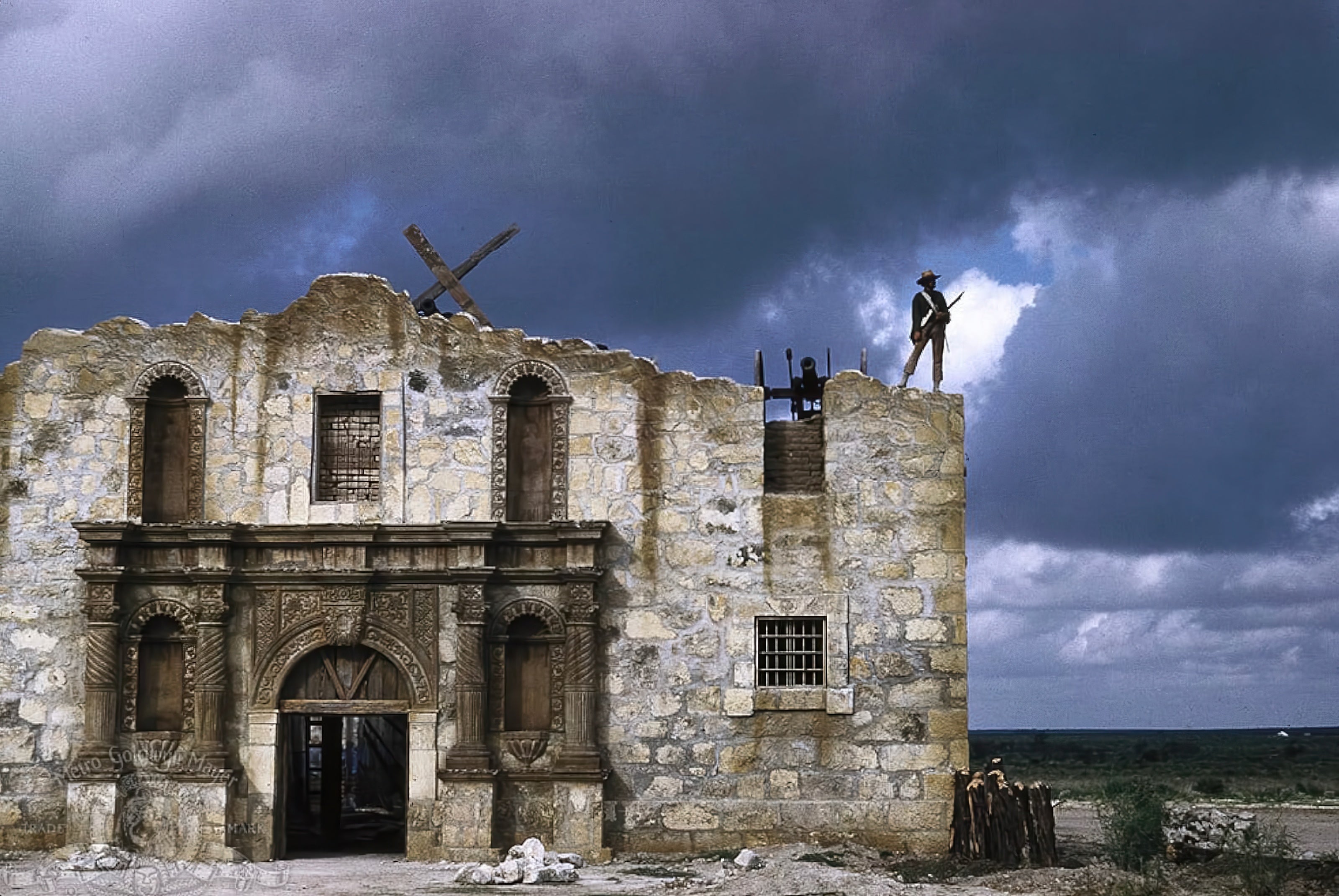
In The Blood of Heroes, author James Donovan delivers a meticulously researched and gripping account of the legendary Battle of the Alamo, which took place from February 23 to March 6, 1836, during the Texas Revolution. The book tells the story of the 13-day siege of the Alamo and the valiant efforts of the small group of Texian and Tejano defenders who stood against the overwhelming force of Mexican General Antonio López de Santa Anna.
The narrative begins by setting the historical stage, explaining the circumstances leading up to the conflict. Mexico had won its independence from Spain in 1821, but political instability and authoritarian leadership, particularly from Santa Anna, had caused tensions with American settlers (Texians) and Tejanos (Texan Mexicans) in the Mexican province of Texas. By 1835, these groups had become disillusioned with Santa Anna's dictatorial rule and began seeking independence. The Alamo, a former Spanish mission located in San Antonio, became the focal point of this struggle.
Donovan’s portrayal of the main figures involved in the battle is one of the strengths of the book. He provides detailed biographies of key players such as Colonel William Barret Travis, who assumed command of the Alamo’s defenders, James Bowie, the renowned frontiersman who co-led the defense until he fell gravely ill, and the legendary Davy Crockett, a former Tennessee congressman and folk hero who came to Texas to start a new life and ended up fighting to the death at the Alamo.
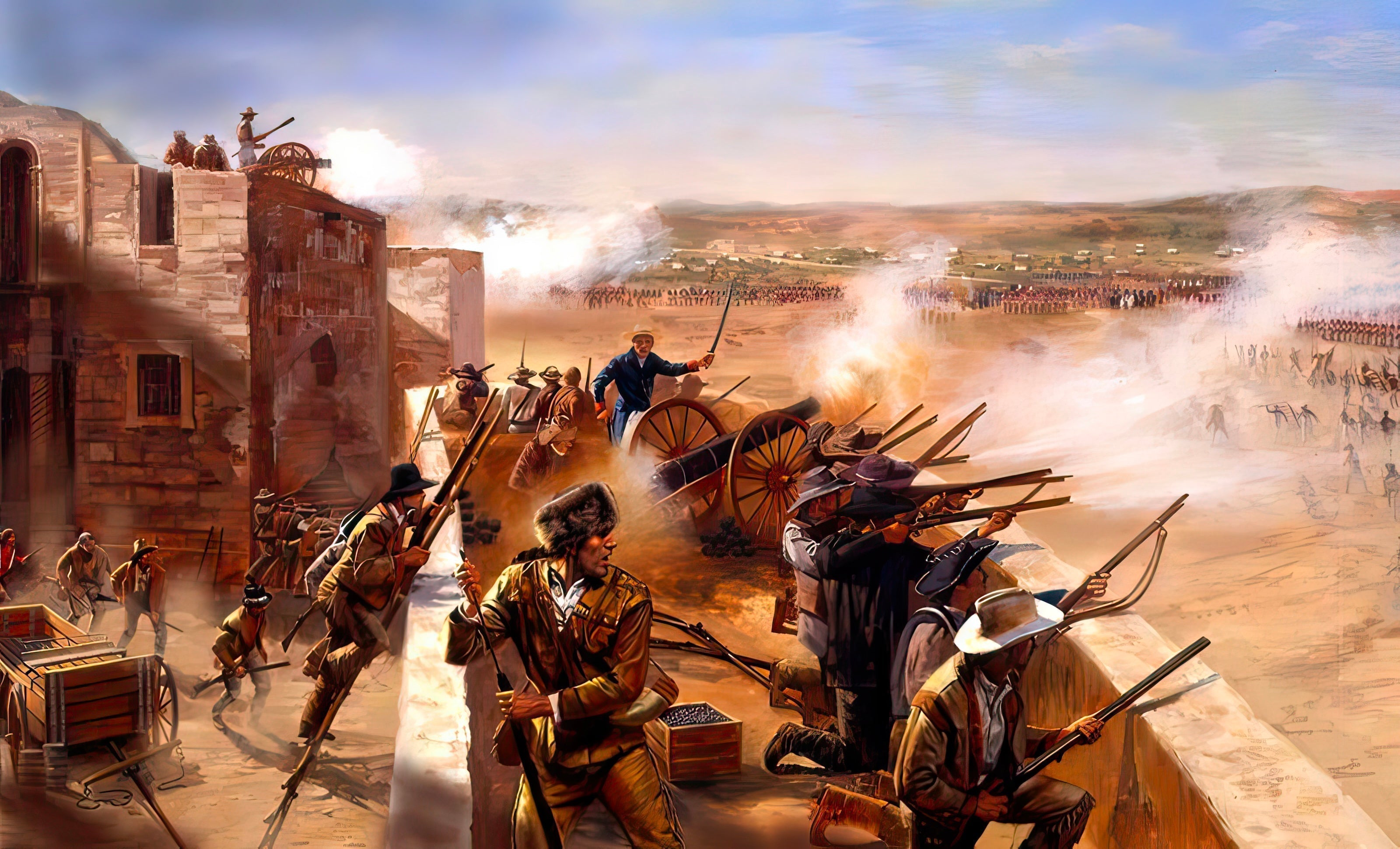
The book chronicles the progression of the battle day by day. Santa Anna’s forces, numbering in the thousands, surrounded the Alamo, where a small force of less than 200 defenders, including Texians, Tejanos, and American volunteers, prepared for the inevitable assault. Donovan paints a vivid picture of the growing tension, the skirmishes that occurred during the siege, and the dwindling hope of reinforcements as the Mexican army tightened its grip.
On March 6, Santa Anna’s army launched its final, overwhelming attack on the Alamo. Despite their hopelessly outnumbered position, the defenders fought valiantly, but after a fierce battle, the Alamo fell. All of the defenders were killed, their bodies burned in a mass pyre. The Mexican army’s victory was decisive, but it came at a cost. Santa Anna's brutal tactics fueled anger and rallied Texians and American volunteers to the cause of Texas independence.
The book then explores the aftermath of the battle. "Remember the Alamo!" became a rallying cry for the Texian forces, leading to the pivotal Battle of San Jacinto, where General Sam Houston decisively defeated Santa Anna’s forces, securing Texas’ independence. Donovan effectively shows how the heroic sacrifice of the defenders at the Alamo became a symbol of defiance and courage, forging a national myth that resonated deeply with American identity and the westward expansion of the United States.
BOOK NOTES:
The Blood of Heroes is a masterful retelling of one of the most iconic moments in American and Texan history. It is a richly detailed and well-researched account that not only brings the Battle of the Alamo to life but also humanizes the people who fought and died there.
- Donovan’s research is impressive, drawing from a wide array of sources, including letters, eyewitness accounts, and military records. His ability to weave these historical details into a coherent, gripping narrative makes the book a standout work of military history. He delves deeply into the political, military, and cultural context of the Texas Revolution, offering readers a comprehensive understanding of the events leading up to the Alamo and its aftermath.
- One of the book’s greatest strengths is the depth with which Donovan portrays the key figures in the battle. Colonel Travis, Jim Bowie, and Davy Crockett are brought to life not just as historical icons but as real men, each with their own motivations, flaws, and strengths. Donovan gives us a nuanced view of these men, making their ultimate sacrifice all the more poignant.
- Donovan writes with a novelist’s flair, transforming what could have been a dry recitation of facts into a compelling story filled with drama, tension, and emotion. The day-by-day breakdown of the siege and battle immerses readers in the action, and the descriptions of the final assault are particularly vivid and intense.
- While The Blood of Heroes is focused on the Texian defenders, Donovan takes care to provide a balanced view of the Mexican forces as well. He examines Santa Anna’s leadership, tactics, and motivations, painting a more complete picture of the conflict from both sides.
SUMMARY: The Blood of Heroes is a powerful, evocative, and deeply researched account of the Battle of the Alamo. James Donovan’s ability to bring history to life through rich detail, well-developed characters, and gripping storytelling makes this book a must-read for anyone interested in American history, the Texas Revolution, or the mythology of the West. The book succeeds not only in recounting the military aspects of the battle but also in portraying the human dimension of the conflict. Donovan’s portrayal of the defenders as flawed but courageous men who fought for their ideals, even in the face of certain death, resonates deeply with readers. The book captures the heroism, tragedy, and lasting legacy of the Alamo, making it a significant contribution to the history of the American frontier.
Texas Rising: The Epic True Story of the Lone Star Republic and the Rise of the Texas Rangers, 1836-1846
Texas Rising by Stephen L. Moore delves into one of the most tumultuous and legendary periods in American history: the fight for Texas independence and the rise of the famed Texas Rangers. The book centers around the events that occurred after the Texas Revolution, beginning with the aftermath of the iconic 1836 Battle of the Alamo and the massacre at Goliad, and it carries through to the establishment of the Republic of Texas and the early years of its statehood.
The narrative starts by recounting the devastation that followed the fall of the Alamo and Goliad. These defeats seemed to doom the Texian cause for independence from Mexico, as General Antonio López de Santa Anna appeared poised for complete victory. However, Moore highlights the perseverance of Texas leaders, particularly General Sam Houston, who reorganized his forces and led them in a surprising and decisive victory at the Battle of San Jacinto. It was this victory that ultimately secured Texas' independence.
The book emphasizes the importance of the Texas Rangers in securing and stabilizing the new Republic. These early lawmen, born out of necessity, were tasked with protecting settlers from attacks by Native American tribes, particularly the Comanche and the Apache, as well as from the threat of Mexican incursions. Moore provides detailed accounts of early Ranger exploits, noting their rugged independence and tactical innovations that made them a formidable force in the region.
Moore highlights the bravery, grit, and brutality involved in the Texas Rangers’ efforts. These lawmen were often frontier settlers and volunteers with little formal military training. Moore describes their leadership under legendary figures like Jack Hays and "Deaf" Smith, who helped shape the Ranger tradition of bold and often violent actions.
The book also covers the political turmoil within the new Republic of Texas, with its financial struggles, unstable governments, and internal conflicts between those who wanted annexation by the United States and those who wanted Texas to remain an independent nation. Moore shows how the constant threat of Mexican attacks, coupled with Native American resistance, forced Texas leaders to lean heavily on the Rangers for defense.
The narrative goes beyond just military battles, providing context on the challenges of nation-building in Texas. The people faced immense hardships as they sought to carve out lives in a hostile frontier environment. Moore paints a vivid picture of these settlers and their struggles, blending personal stories with the broader historical context of nation-building.
BOOK NOTES:
Texas Rising is a sweeping historical account that masterfully combines storytelling with meticulous research. Stephen L. Moore’s ability to weave together military history with human drama makes this an engaging read for both history enthusiasts and casual readers.
- One of the book’s standout features is the thorough depiction of the various military engagements and skirmishes that shaped Texas during its early years. The Battle of San Jacinto is particularly well-documented, with Moore capturing the chaos, determination, and decisiveness of the Texian forces in their victory over Santa Anna’s army. Moore also provides detailed insights into the Ranger operations against Native American tribes and the Mexican army, illustrating the harsh and violent realities of life on the Texas frontier.
- Moore does a commendable job in bringing historical figures to life, including Sam Houston, Stephen F. Austin, and legendary Texas Rangers such as Jack Hays. His portrayal of Houston as a pragmatic leader, struggling with both military decisions and political challenges, adds depth to a man often portrayed in simple heroic terms. Similarly, the vivid descriptions of the Texas Rangers’ personalities and exploits contribute to the mythos of these frontier lawmen.
- Moore presents a balanced view of the conflicts, acknowledging the brutal tactics employed by both sides. While the Texians and Rangers are often celebrated for their bravery, Moore doesn’t shy away from depicting the harsh realities of the era, including the massacres of Mexican soldiers and violent campaigns against Native American tribes. This provides a more nuanced view of Texas’ fight for survival and independence.
- Despite the historical depth, Moore’s writing is accessible and engaging. He uses a narrative style that feels almost novelistic, making the reader feel as though they are in the midst of the action. The pacing of the book is particularly strong, with each chapter focusing on key events or figures, allowing readers to easily follow the broader story
SUMMARY: Texas Rising is a compelling and well-researched account of one of the most dramatic periods in Texas history. Stephen L. Moore’s focus on the heroic - and sometimes brutal - actions of the Texas Rangers and the Texian forces offers a thrilling and detailed look at how Texas won its independence and fought to maintain it. The book is a tribute to the men who fought for Texas, and it highlights the unique role the Rangers played in securing the Republic’s survival.
While the book primarily focuses on military actions and skirmishes, Moore provides enough historical context to show the bigger picture of Texas’ turbulent journey toward statehood. The characters are vividly drawn, and the narrative is fast-paced, making Texas Rising a gripping read for anyone interested in the history of Texas, the Texas Rangers, or frontier warfare.
Lone Star: A History of Texas and the Texans
Originally published in 1968 and later revised, Lone Star: A History of Texas and the Texans is widely considered one of the definitive single-volume histories of Texas. T. R. Fehrenbach, a native Texan and military historian, traces the story of the region from prehistoric times to the close of the twentieth century. Rather than presenting a simple chronological record of events, he argues that the unique geography, frontier conditions, and cultural conflicts of Texas forged a people with a distinct identity that continues to shape the state today.
The book begins thousands of years before European settlement, describing the Indigenous peoples who first inhabited the vast plains, forests, and deserts that would become Texas. Fehrenbach emphasizes that the environment itself (its immense distances, harsh climate, and scarce water) dictated the lives of those who settled there. The Comanche, Apache, Caddo, Karankawa, and many other Native peoples developed different cultures based upon these challenging landscapes.
The arrival of Spanish explorers in the sixteenth century marks the beginning of European influence. Fehrenbach recounts the establishment of missions, presidios, and settlements designed to expand Spain's empire while converting Indigenous peoples to Christianity. Despite these efforts, Spanish control remained weak for centuries because of hostile terrain, limited population, and constant conflict with Native tribes.
The narrative then follows Mexico's independence from Spain and the opening of Texas to Anglo-American settlers under empresario contracts. Stephen F. Austin and other colonists established prosperous farming communities, but political and cultural tensions steadily increased between the Mexican government and the rapidly growing Anglo population. Fehrenbach explains how disagreements over immigration, local autonomy, religion, and governance eventually led to open rebellion.
The Texas Revolution forms the dramatic centerpiece of the book. The familiar stories of the Alamo, Goliad, and the decisive victory at San Jacinto are told in vivid detail, but Fehrenbach also examines the broader political and military circumstances surrounding the conflict. The victory over Santa Anna created the independent Republic of Texas, whose brief existence occupies an important section of the narrative.
Fehrenbach explores the enormous challenges facing the young republic, including financial instability, diplomatic uncertainty, frontier warfare, and debates over annexation to the United States. Leaders such as Sam Houston and Mirabeau B. Lamar receive detailed treatment as the republic struggles to survive until joining the Union in 1845.
The Mexican-American War and Texas's rapid expansion transformed the state into an increasingly important part of the United States. Cotton agriculture expanded dramatically, bringing slavery deeper into Texas and tying its economy closely to the American South. Fehrenbach examines how these developments contributed to Texas's decision to secede from the Union during the Civil War.
The Civil War and Reconstruction chapters describe military campaigns, political upheaval, economic hardship, and the difficult process of reintegration into the United States. Although Texas escaped much of the physical destruction suffered elsewhere in the Confederacy, Reconstruction dramatically altered its political landscape.
One of the book's strongest sections concerns the settlement of the western frontier. Fehrenbach vividly recounts the conflicts between settlers, the U.S. Army, the Texas Rangers, and the Comanche and Kiowa peoples. He portrays the frontier as an unforgiving place where survival often depended upon determination, adaptability, and violence.
The rise of the cattle industry follows, with the great cattle drives, open ranges, ranching empires, and legendary cowboys becoming central symbols of Texas identity. Railroads linked Texas to national markets, while agriculture and commerce expanded rapidly.
The discovery of oil at Spindletop in 1901 fundamentally reshaped the state's economy. Fehrenbach explains how petroleum transformed Texas from a largely agricultural society into an industrial and financial powerhouse. Oil wealth fueled urban growth in Houston, Dallas, Fort Worth, and other cities while attracting new industries and population.
The final chapters examine twentieth-century Texas through the Great Depression, World War II, suburban expansion, political change, and economic modernization. Despite becoming increasingly urban and diverse, Fehrenbach argues that Texas retained the frontier attitudes that distinguished it from other American states.
Throughout the narrative, recurring themes include independence, self-reliance, military tradition, entrepreneurship, and adaptation to difficult conditions. Fehrenbach contends that history shaped Texans into people who think differently because they were forced to solve problems unlike those faced elsewhere in America.
BOOK NOTES:
Lone Star remains one of the most engaging histories ever written about Texas. Its greatest strength lies in Fehrenbach's storytelling ability. He combines rigorous historical research with the pacing of an epic novel, making nearly eight centuries of history feel dramatic and interconnected rather than merely sequential.
- Unlike many academic histories, the book is written in energetic, accessible prose. Battles, political debates, exploration, and settlement are described with vivid detail, giving readers a strong sense of the personalities who shaped Texas. Even readers unfamiliar with the state's history can follow the narrative comfortably because Fehrenbach consistently explains how each period influences the next.
- Another major strength is the author's understanding of geography. Rather than treating Texas simply as a political entity, Fehrenbach argues that its rivers, plains, deserts, and climate profoundly influenced every stage of its development. This perspective gives the book an unusual depth and helps explain why Texas evolved differently from other American states.
- Fehrenbach also excels at placing Texas within broader historical movements. Spanish imperial ambitions, Mexican politics, westward expansion, slavery, the Civil War, industrialization, and the oil boom all become parts of a much larger historical story rather than isolated Texas events.
SUMMARY: For anyone seeking a single-volume history of Texas that combines epic storytelling with broad historical coverage, Lone Star: A History of Texas and the Texans remains one of the finest choices available. Fehrenbach's work endures as a classic of American regional history and one of the most influential books ever written about the Lone Star State.