
America's Wild Horses: The History of the Western Mustang (Book Notes)
America’s Wild Horses: The History of the Western Mustang by Steve Price is a cultural and historical account of the mustang - the free-roaming horse that has become a quintessential symbol of the American West. Price approaches the subject as both a lifelong horse lover and award-winning photographer, blending meticulous research, firsthand interviews, and evocative photography to bring the story of these animals to life.
The book begins by situating the horse within the broader sweep of natural history, including the prehistoric evolution of equines in North America. Price then explains how horses - once native to the continent but extinct by the end of the Ice Age - returned with European explorers. Spanish conquistadors and settlers reintroduced horses in the 16th century, and many escaped or were abandoned, eventually forming the feral populations that came to be known as mustangs.
Price traces how Spanish breeders in the Southwest influenced the development of horse stock, including Spanish Mustangs with distinctive physical and genetic traits. These animals adapted to rugged landscapes and harsh conditions, developing resilience that became legendary.
A central focus of the book is how the arrival of horses transformed Indigenous cultures. Tribes across the Plains and Southwest integrated horses into their daily lives, fundamentally reshaping hunting, warfare, trade, mobility, and cultural practices. Price emphasizes the deeply symbolic as well as practical importance of horses to Native societies, noting how certain tribes valued specific colors and traits in their mounts.
As European settlement expanded, mustangs became woven into the mythology and reality of the American frontier. They were featured in cattle drives, used by cowboys, and became emblematic of freedom and rugged individualism — often romanticized in art, literature, and early Western films. Price discusses how mustangs shaped the cultural identity of the West and became icons of the frontier spirit.
In the later chapters, Price examines the modern history of mustangs, especially their legal and ecological battles. With growing ranching and federal land policies in the 20th century, mustang populations were increasingly seen as nuisances competing with livestock for grazing. Efforts to protect them culminated in the Wild Free-Roaming Horses and Burros Act of 1971, a key legal milestone championed by activists. Price explains how scientific advances, legislative efforts, sanctuary programs, and conservation initiatives continue to shape the mustang’s future.
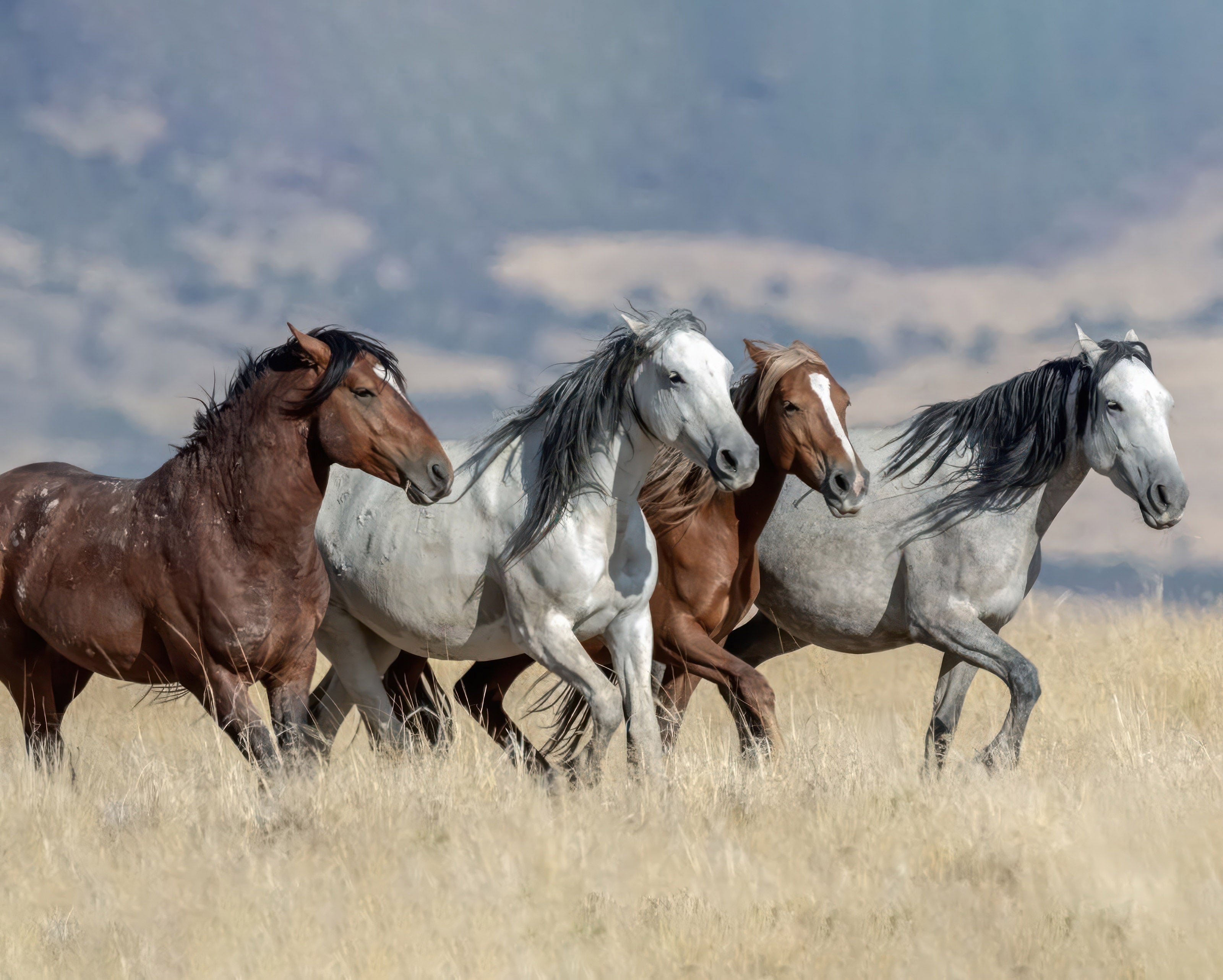
Throughout the book, Price intersperses dozens of stunning photographs and interviews with horse experts, ranchers, historians, and advocates. These personal stories and visual narratives enhance the historical overview, giving readers a vivid sense of the lives of wild horses and the people who care about them.
BOOK NOTES:
- Price’s work stands out for its breadth and accessibility. By beginning with prehistoric equines and progressing through centuries of human-horse interactions, he provides readers with a full cultural arc that ties biology, anthropology, and national identity together.
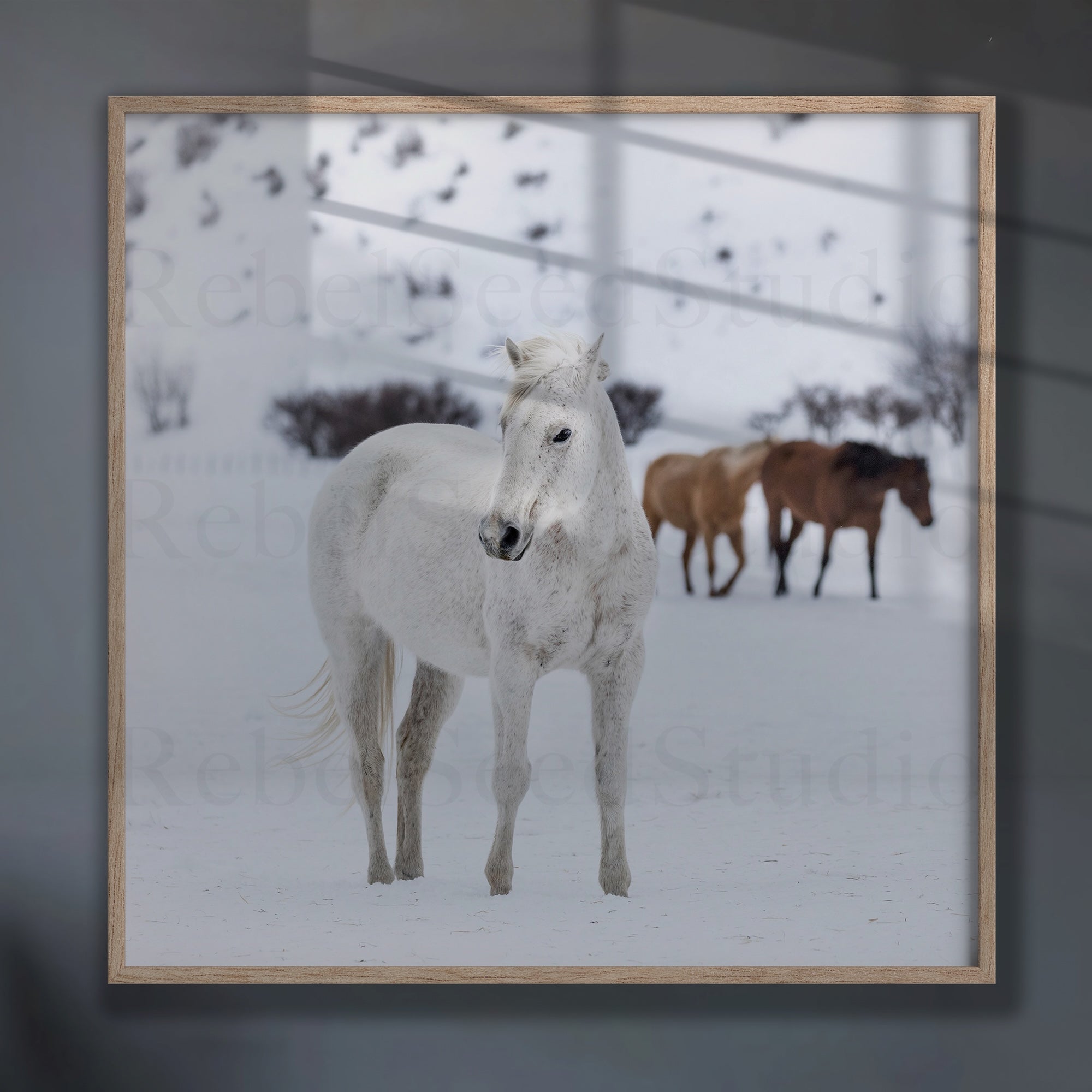
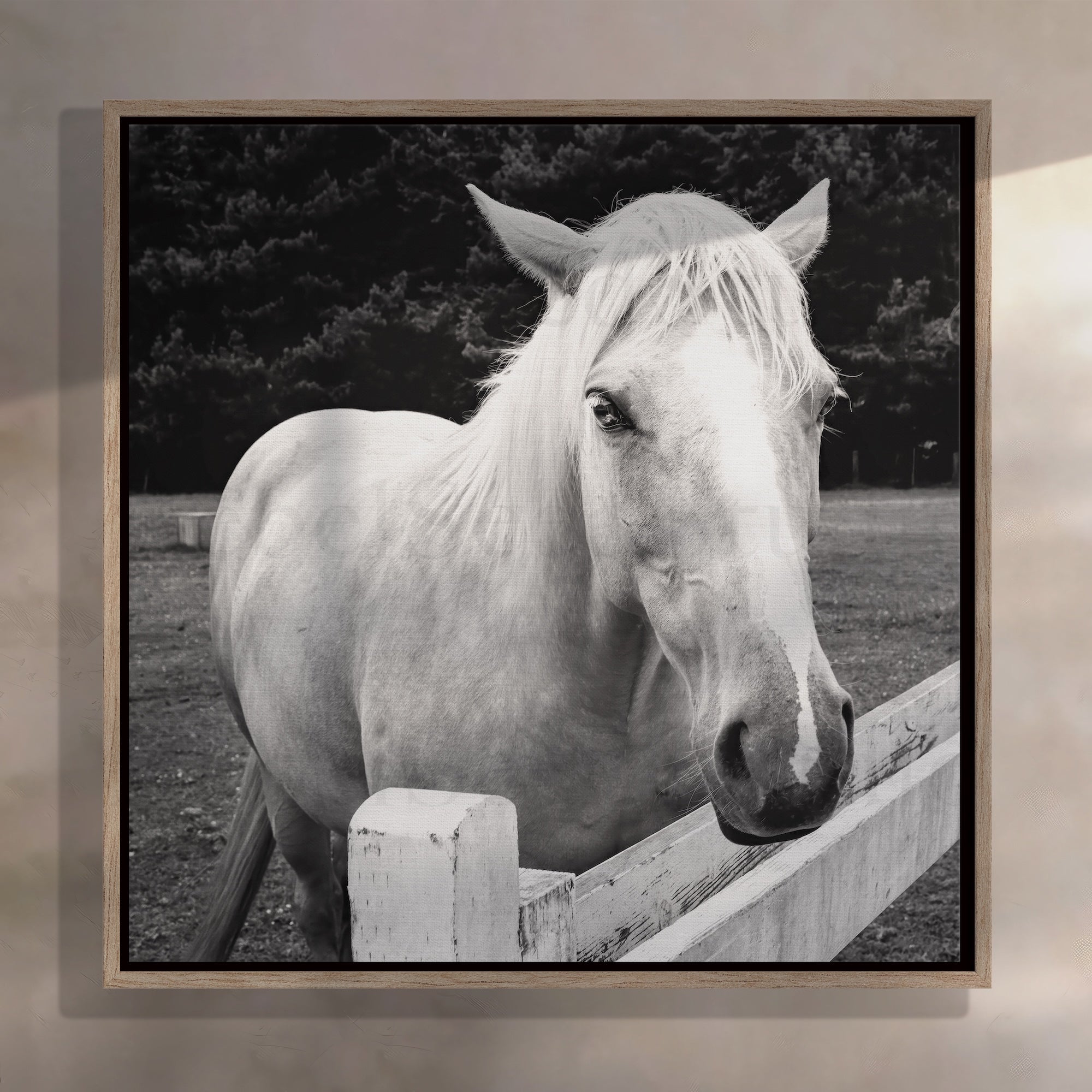
- The photography in the book is a major asset. Price’s images of mustangs in rugged landscapes, alongside historical sites and ranching scenes give texture and emotional resonance beyond text alone.
- While the subject matter could easily become dry, Price’s poignant prose and use of firsthand interviews make the narrative engaging even for readers without prior knowledge of equines or Western history.
- Recommended for lovers of horses and Western culture, readers interested in American history and mythmaking, and those who appreciate high-quality photography paired with narrative nonfiction.
SUMMARY: America’s Wild Horses succeeds in both educating and inspiring, giving readers a heartfelt and visually rich journey through the history of the Western mustang, from prehistoric ancestors to modern conservation. It balances storytelling, history, and imagery to celebrate one of America’s most enduring symbols.