
Seabiscuit: An American Legend (Book Notes)
Seabiscuit: An American Legend by Laura Hillenbrand tells the true story of an unlikely racehorse who became a national hero during the Great Depression. More than a sports biography, the book weaves together the lives of three damaged, overlooked men and one undersized, underestimated horse whose shared resilience captured the American imagination.
Seabiscuit was born in 1933, descended from the great racehorse Man o’ War, but he seemed to inherit little of his famous father’s brilliance. As a young horse, Seabiscuit was overworked, poorly trained, and repeatedly written off as lazy and unremarkable. He lost far more races than he won and was eventually sold cheaply - an ignominious fate for a horse with such a pedigree.
Charles Howard, the owner, was a self-made millionaire who built his fortune selling automobiles in California. His life, however, was marked by personal tragedy, including the death of his son and the collapse of his marriage. Howard’s wealth could not shield him from grief, and his attraction to Seabiscuit stemmed in part from recognizing a wounded spirit in the horse - one that mirrored his own losses.
Tom Smith, known as “Silent Tom,” was an unconventional and intuitive horse trainer. He believed in understanding a horse’s psychology rather than forcing compliance. Smith recognized that Seabiscuit’s apparent laziness was actually exhaustion and mistrust caused by years of mistreatment. Through patience, rest, and unorthodox training methods, Smith helped the horse regain confidence and strength.
Red Pollard, Seabiscuit’s jockey, had endured a harsh upbringing marked by poverty and abandonment. Like Seabiscuit, Pollard was physically battered and frequently dismissed as unfit for success. Despite injuries and setbacks - including devastating accidents that nearly ended his career - Pollard formed a deep bond with the horse, based on mutual understanding and toughness.
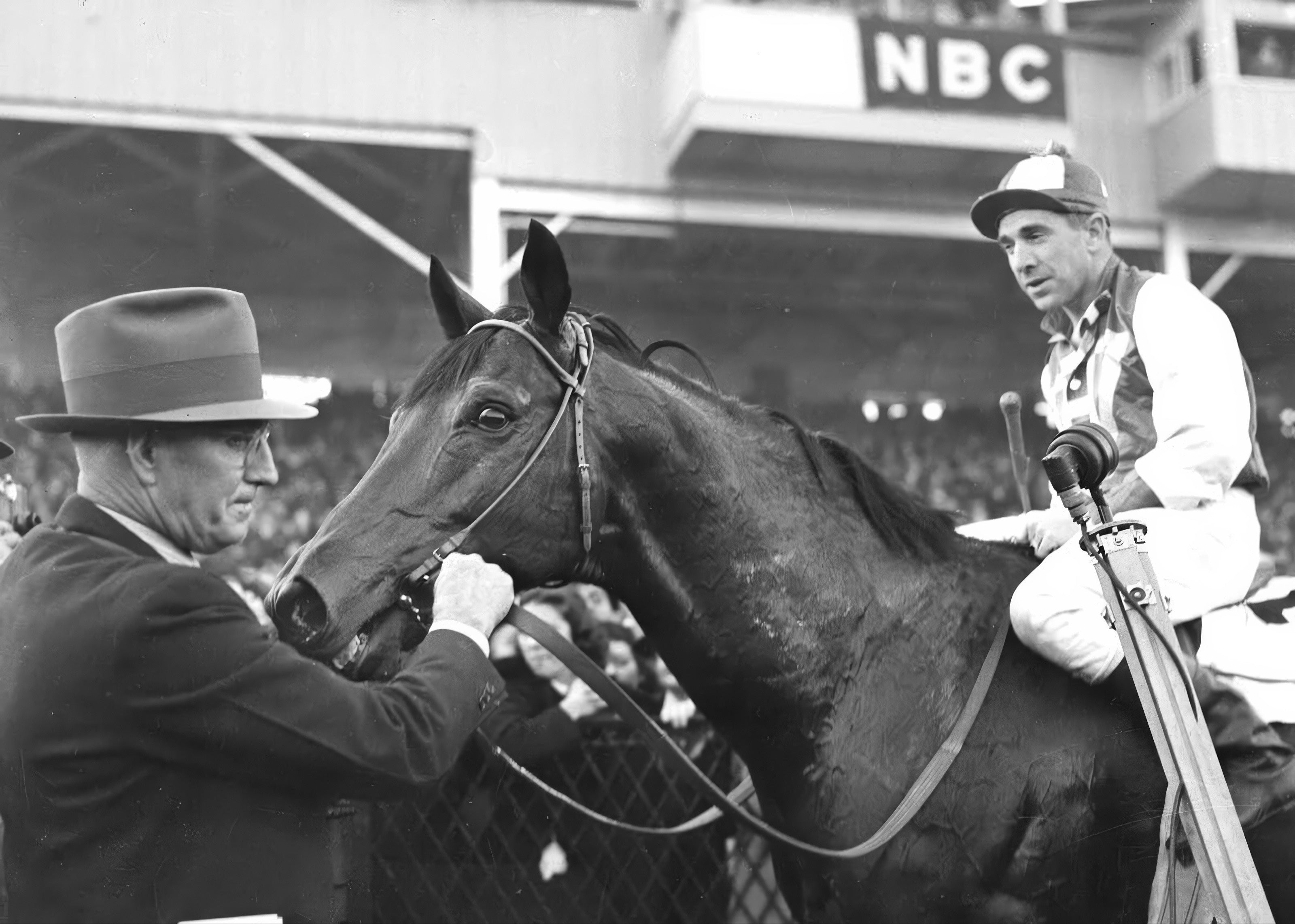
Against all expectations, Seabiscuit began winning races, often against faster, better-bred horses. His gritty, come-from-behind racing style thrilled spectators. During the depths of the Great Depression, Americans saw in Seabiscuit a reflection of their own struggles - a small, battered figure refusing to give up.
The book culminates in Seabiscuit’s legendary 1938 match race against War Admiral, the reigning Triple Crown champion. In a dramatic upset, Seabiscuit defeated War Admiral, cementing his place in racing history and national folklore. Hillenbrand does not end the story with victory alone. She follows Seabiscuit through injuries, comebacks, and eventual retirement, emphasizing endurance over glory. The story concludes with a sense of hard-earned peace rather than simple triumph.
At its core, Seabiscuit is a story about resilience, redemption, and empathy. Hillenbrand frames the horse not as a symbol imposed upon by humans, but as an active participant with personality, intelligence, and agency. The parallel hardships faced by Seabiscuit, Howard, Smith, and Pollard reinforce the book’s central message: greatness often emerges from suffering and perseverance rather than privilege.
The book also functions as a social history of Depression-era America. Hillenbrand vividly captures the desperation, hope, and communal spirit of the time, explaining why Seabiscuit’s victories meant so much to ordinary people.
Hillenbrand’s prose is accessible yet richly detailed. She blends narrative storytelling with meticulous research, making complex racing terminology understandable without oversimplifying the sport. Her pacing is particularly effective - quiet, reflective passages are balanced with high-stakes race descriptions that read with the tension of fiction.
SUMMARY: Seabiscuit: An American Legend succeeds because it transcends its subject. It is not merely about horse racing, but about the human capacity to recognize worth where others see failure. Hillenbrand’s work stands as a powerful example of narrative nonfiction -informative, moving, and enduring. Recommended for readers interested in history, sports, biography, and inspirational true stories.