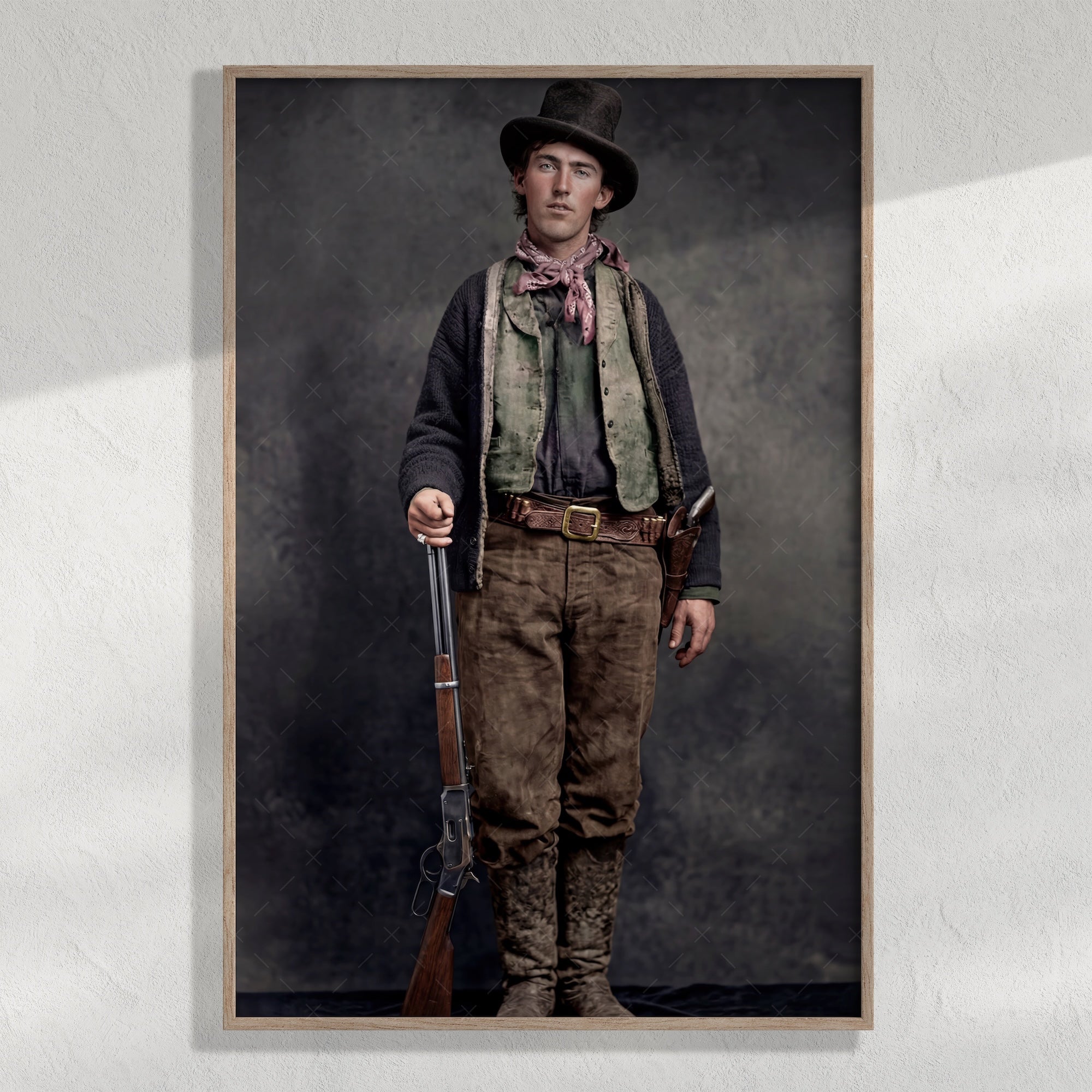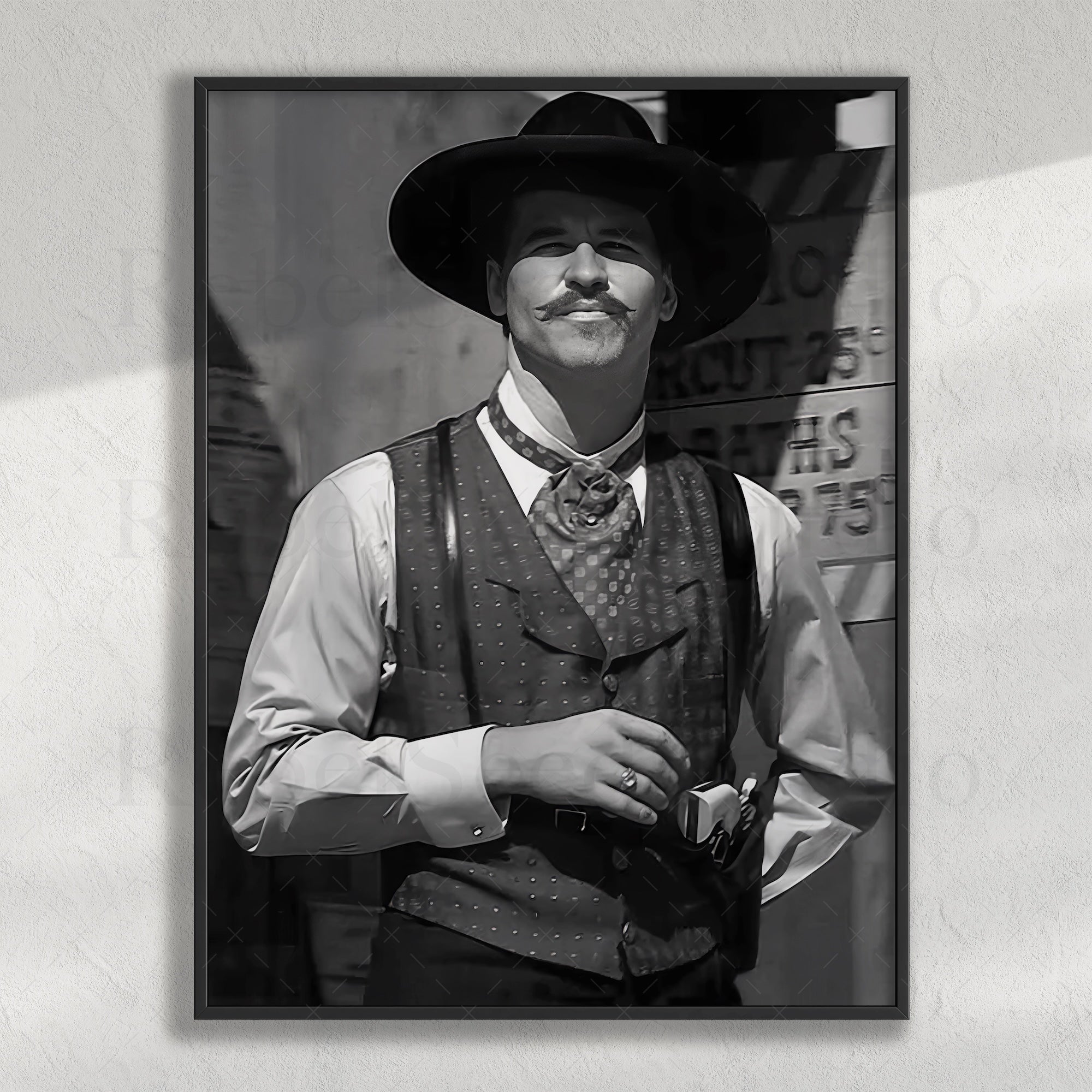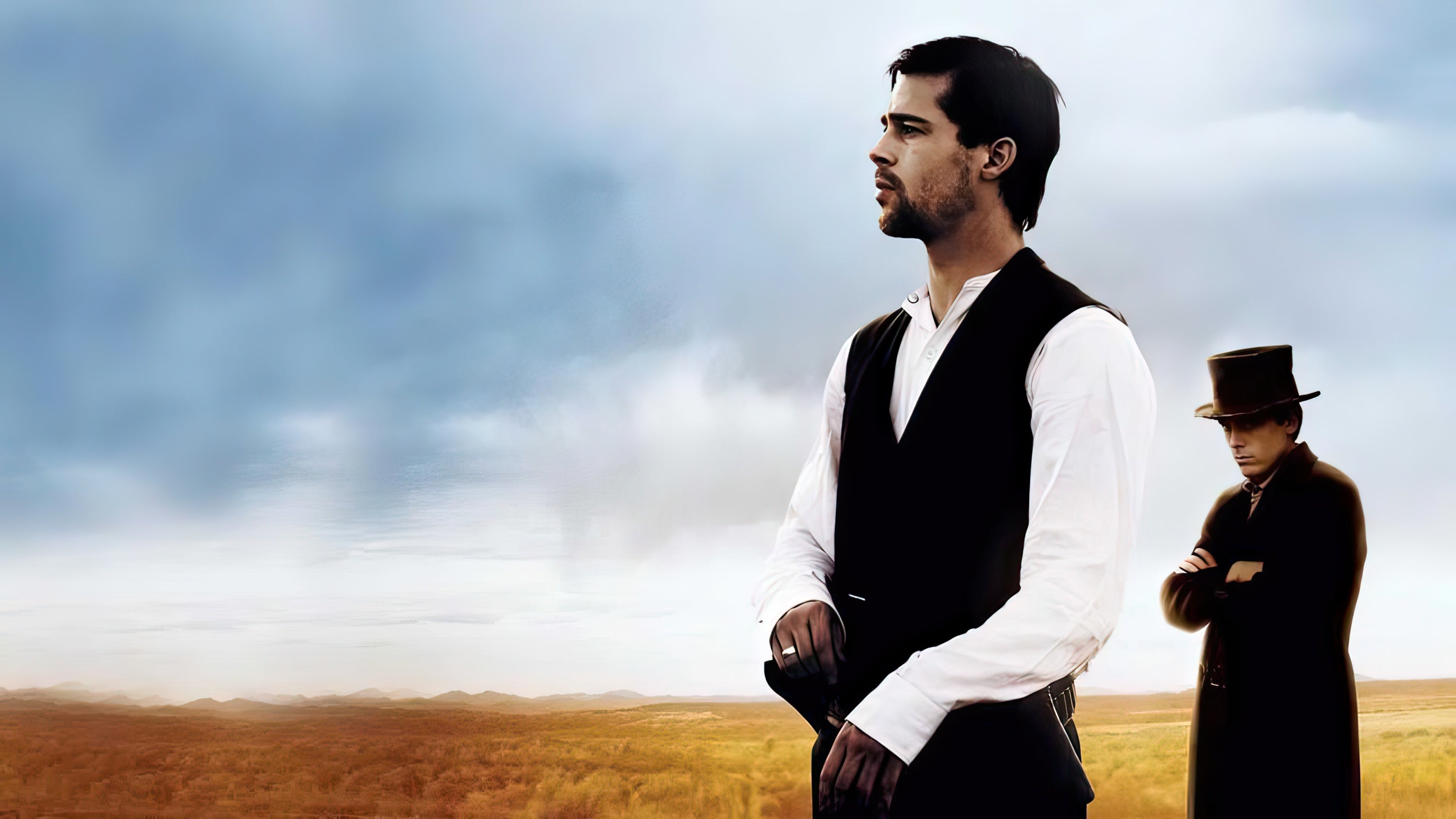

Article: Real-Life Old West Outlaws & Lawmen: 5 Books Worth Reading (Book Notes)
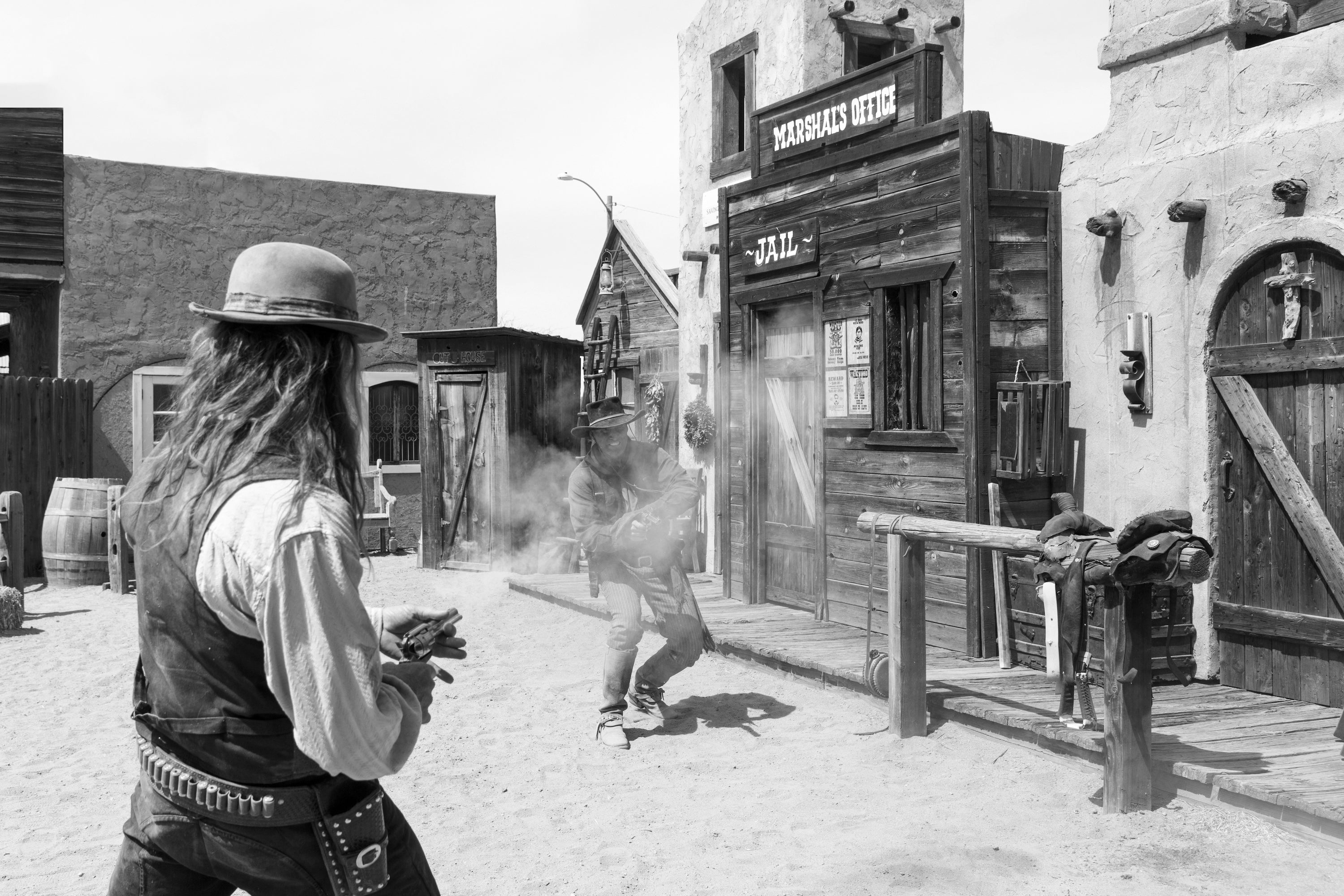
Real-Life Old West Outlaws & Lawmen: 5 Books Worth Reading (Book Notes)
Most books in this curated list are available from online bookstores or via your preferred bookseller.
The Summer of 1876: Outlaws, Lawmen, and Legends in the Season That Defined the American West
In "The Summer of 1876" author Chris Wimmer takes readers on a thrilling journey back to the iconic summer that left an indelible mark on the history of the American West. Filled with gripping narratives, fascinating characters, and high-stakes conflicts, this meticulously researched book paints a vivid picture of the legendary events that unfolded during this pivotal season.
Set against the backdrop of the untamed frontier, Wimmer's narrative revolves around a convergence of extraordinary circumstances, bringing together outlaws, lawmen, and larger-than-life personalities whose actions shaped the destiny of the region. From notorious outlaws like Jesse James and legendary lawmen such as Wyatt Earp to Belle Starr and Wild Bill Hickok, the book delves into their motivations, exploits, and conflicts as they clashed in a struggle for power and survival.
Wimmer skillfully weaves together the intertwining stories of these iconic figures, chronicling their adventures, lawless escapades, and confrontations with the law. Whether it's the daring train robberies orchestrated by Jesse James and his gang, the relentless pursuit by determined lawmen, or the tense standoffs in dusty frontier towns, each event unfolds with gripping detail, capturing the essence of the era and the spirit of the American West.
Beyond the outlaws and lawmen, "The Summer of 1876" introduces readers to a cast of colorful characters who played pivotal roles in shaping the West. From Native American warriors fiercely defending their land to enterprising settlers seeking fortune and opportunity, the book presents a multi-dimensional view of the era, shedding light on the complex dynamics and conflicts that defined the West during this tumultuous season.
By immersing readers in the rich tapestry of the American West's most memorable summer, Wimmer paints a vivid and authentic portrait of a bygone era. Blending meticulous research with a flair for storytelling, he brings to life the thrilling adventures, desperate pursuits, and larger-than-life personalities that have become the stuff of legend. "The Summer of 1876" is a must-read for history enthusiasts, Western aficionados, and anyone captivated by the allure of the Wild West.
Shotguns and Stagecoaches: The Brave Men Who Rode for Wells Fargo in the Wild West
Shotguns and Stagecoaches by John Boessenecker chronicles the courageous men who served as shotgun messengers for Wells Fargo during the tumultuous years of the American West. These shotgun messengers, often portrayed as unsung heroes, were tasked with the high-risk job of guarding stagecoaches and trains carrying valuable cargo like gold, silver, and cash across dangerous, lawless territories. Boessenecker weaves together a series of dramatic, real-life stories to illustrate how these men defended Wells Fargo’s property against ruthless outlaws, bandits, and Native American raiding parties.
The book delves into the lives of these brave men, describing their personal histories, motivations, and the daring actions that defined their careers. Figures like Johnny Slaughter, James B. Hume, and Fred Dodge are brought to life through detailed historical accounts, showing how their skill, bravery, and often-violent confrontations helped shape the American frontier. These men faced frequent threats of ambushes and robberies, where law enforcement was sparse, and justice was often meted out at gunpoint. The phrase "riding shotgun" originated from these messengers, who literally sat beside the driver of the stagecoach with a shotgun, ready to defend against attacks.
Boessenecker explores some of the most infamous stagecoach robberies and the legendary outlaws who committed them, including Black Bart and the Dalton Gang. He explains how these shotgun messengers worked closely with law enforcement, sometimes transitioning into roles as detectives to track down bandits who had successfully robbed Wells Fargo stagecoaches. The pursuit of justice often turned into high-stakes manhunts through treacherous and unforgiving landscapes.
The author also addresses the larger historical context of Wells Fargo’s role in the development of the American West. As a powerful financial and transport company, Wells Fargo became a target for criminals, but its reliance on these brave shotgun messengers helped the company maintain its reputation for reliability and security in dangerous times. The book presents an interesting juxtaposition between the corporate ambition of Wells Fargo and the individual bravery of the men who protected its assets.
BOOK NOTES:
- One of the book's strongest aspects is Boessenecker’s detailed research. Drawing from a wealth of primary sources, including letters, newspaper articles, and court records, Shotguns and Stagecoaches offers an authentic glimpse into the Wild West and the role of Wells Fargo’s shotgun messengers. The depth of historical context and the vividness with which Boessenecker describes individual incidents add a sense of immediacy to the narrative.
- Many books on the American West tend to focus on famous outlaws or lawmen, but Boessenecker shines a light on the lesser-known shotgun messengers who played an essential role in the security of the frontier. Figures like Johnny Slaughter and James Hume are not household names, but their courage and contributions to the West’s development are compellingly portrayed. This focus on "the brave men who rode for Wells Fargo" offers a fresh perspective in Western history.
- Boessenecker writes with a flair for storytelling that keeps the reader engaged, especially in the accounts of stagecoach robberies and shootouts. The high-stakes confrontations between outlaws and shotgun messengers read like scenes from an action-packed Western movie, though they are rooted in historical fact. Boessenecker's descriptions of gunfights, ambushes, and daring escapes are suspenseful and thrilling, offering readers a sense of the danger these men faced daily.
- The book doesn’t just focus on the individual heroes but also provides insights into the larger role Wells Fargo played in the expansion of the American West. Boessenecker explains how Wells Fargo’s stagecoaches were central to the economic and social development of the region, connecting remote areas with burgeoning urban centers and providing a critical service in the form of safe transportation of goods and people. This backdrop adds another layer of interest to the narrative.
SUMMARY: Shotguns and Stagecoaches: The Brave Men Who Rode for Wells Fargo in the Wild West is an action-filled and highly detailed account of the often-overlooked heroes of the American West. The shotgun messengers who risked their lives to protect Wells Fargo’s valuables are brought vividly to life through author John Boessenecker’s meticulous research and gripping storytelling. For readers interested in the true history of the American frontier, and especially those fascinated by the lesser-known figures of the Wild West, Shotguns and Stagecoaches offers a fresh and thrilling perspective on a critical era in American history.
The Last Outlaws: The Desperate Final Days of the Dalton Gang
Tom Clavin's The Last Outlaws is a sweeping history of the Dalton Gang, one of the final notorious outlaw bands of the American West. Rather than simply recounting the gang's famous last robbery, Clavin places the Daltons within the larger story of the closing frontier, showing how the era of horseback bandits, train robbers, and frontier justice came to an end during the 1890s. The book traces the brothers' rise from respected lawmen to infamous criminals before culminating in the disastrous Coffeyville bank raid that effectively marked the end of the classic outlaw age.
The narrative begins by exploring the turbulent years following the Civil War. Vast stretches of Oklahoma's Indian Territory, Kansas, and neighboring states became havens for fugitives, horse thieves, and train robbers. Weak law enforcement, political corruption, and the rapid expansion of railroads created opportunities for organized outlaw gangs. Clavin demonstrates that the Dalton Gang did not emerge in isolation but inherited the traditions of earlier desperadoes such as the James-Younger Gang, to whom they were related through family connections.
The Dalton brothers (Bob, Grat, Emmett, and Bill) grew up in a large frontier family that struggled financially despite having respected parents. Ironically, several of the brothers initially worked as deputy U.S. marshals, responsible for hunting criminals throughout Indian Territory. Their experience as lawmen gave them intimate knowledge of the weaknesses of frontier policing, knowledge that later proved invaluable once they crossed to the other side of the law.
As the brothers became increasingly disillusioned with low pay and harsh working conditions, Bob Dalton gradually drifted into crime. Horse theft soon escalated into train robberies, and the gang quickly earned a reputation for careful planning, daring escapes, and ruthless efficiency. Their robberies spread across Kansas, Oklahoma, and California, making them among the most wanted men in the West.
Clavin also devotes significant attention to the federal marshals, sheriffs, railroad detectives, and Pinkerton agents determined to stop the gang. The pursuit becomes almost as important as the outlaws themselves, illustrating the growing professionalism of American law enforcement. Legendary officers such as Heck Thomas, Bill Tilghman, and Chris Madsen (later known collectively as the "Three Guardsmen") emerge as central figures whose relentless pursuit helped bring organized outlawry to an end.
As pressure from law enforcement intensified, the Dalton Gang became increasingly desperate. Successful robberies became rarer, public support evaporated, and newspapers sensationalized every encounter. Bob Dalton became convinced that one spectacular robbery could restore both the gang's finances and reputation.
This ambition led to one of the boldest crimes in American history. On October 5, 1892, five members of the Dalton Gang rode into Coffeyville, Kansas, intending to rob two banks simultaneously. The plan relied upon speed and surprise. Instead, townspeople recognized the outlaws almost immediately. Citizens armed themselves from local hardware stores and other businesses while the robbers remained inside the banks gathering money.
When the gang attempted to escape, they encountered heavily armed residents waiting throughout the town. A furious gunfight erupted in the streets, becoming one of the bloodiest confrontations in frontier history. Bob and Grat Dalton, Bill Power, and Dick Broadwell were killed. Emmett Dalton survived despite suffering numerous gunshot wounds and was sentenced to prison after recovering.
The aftermath effectively ended the Dalton Gang and symbolized the closing chapter of the Wild West. Emmett later received a pardon, wrote memoirs about his life, and even worked briefly in the early film industry, becoming one of the few famous outlaws to survive long enough to tell his own story. Clavin concludes by arguing that the Coffeyville disaster represented more than the destruction of one gang - it marked the triumph of organized law enforcement over the lawlessness that had characterized much of the frontier during the nineteenth century.
BOOK NOTES:
Tom Clavin has established himself as one of today's foremost historians of the American West, and The Last Outlaws reinforces that reputation. Rather than producing a straightforward biography of the Dalton brothers, he crafts a broad historical narrative that captures the social, political, and economic forces shaping the final decades of the frontier.
- One of the book's greatest strengths is its extensive research. Clavin synthesizes court records, newspaper accounts, memoirs, government documents, and contemporary correspondence into a narrative that feels authoritative while remaining highly readable. His attention to historical detail gives readers confidence that the story rests on solid scholarship rather than frontier mythology.
- The pacing is another major asset. Although readers know from the outset how the Dalton Gang's story will end, Clavin steadily builds suspense toward the climactic Coffeyville robbery. Each robbery, chase, and confrontation increases the sense that the gang is moving toward an inevitable reckoning.
- Equally impressive is Clavin's balanced portrayal of both outlaws and lawmen. The Dalton brothers are neither romanticized heroes nor cartoonish villains. They emerge as complex individuals whose poor decisions, ambition, and pride led them toward increasingly reckless violence. Likewise, the lawmen are presented as courageous professionals operating under dangerous and often thankless conditions.
- Clavin also succeeds in illustrating the transformation of the American frontier. Railroads, expanding towns, improved communications, and increasingly coordinated law enforcement gradually eliminated the conditions that had allowed outlaw gangs to flourish. The book therefore functions not only as a true-crime narrative but also as a history of America's transition from frontier society to a more modern nation.
- The book's conclusion is exceptionally satisfying. The Coffeyville shootout unfolds with cinematic clarity, and Clavin vividly recreates the confusion, courage, and violence of the battle without sacrificing historical accuracy. The final chapters underscore the broader significance of the event as the symbolic end of the Wild West's great outlaw era.
SUMMARY: The Last Outlaws is an outstanding work of popular history that combines meticulous research with engaging storytelling. It offers a compelling portrait of the Dalton Gang while providing a broader understanding of why outlaw bands flourished, and why they ultimately disappeared. Readers interested in the American frontier, Western history, true crime, or the evolution of law enforcement will find it an informative and thoroughly enjoyable read.
Bandit Heaven: The Hole-in-the-Wall Gangs and the Final Chapter of the Wild West
In Bandit Heaven, author Tom Clavin examines the final years of the American frontier through the story of the remote outlaw sanctuaries that became known collectively as "Bandit Heaven." Rather than focusing on a single criminal or gang, Clavin tells the larger story of the Outlaw Trail, a vast network of isolated hideouts stretching through Wyoming, Utah, Colorado, and surrounding territories that sheltered some of the West's most infamous fugitives during the 1880s and 1890s. The book is both a history of legendary outlaws and an account of the lawmen whose relentless pursuit brought the Wild West to its close.
Clavin begins by describing the transformation of the American West after the Civil War. Expanding railroads, booming cattle ranches, mining towns, and new settlements created prosperity but also opportunity for thieves and bandits. Vast stretches of rugged mountains, canyons, and deserts remained virtually inaccessible to law enforcement, making them ideal refuges for criminals. Among the most famous were Robbers Roost in Utah, Brown's Hole along the Utah-Colorado-Wyoming border, and Wyoming's Hole-in-the-Wall, whose steep cliffs and narrow entrances made them nearly impossible for posses to penetrate. These strongholds became gathering places for horse thieves, cattle rustlers, train robbers, bank robbers, and killers from across the frontier.
The narrative introduces a remarkable cast of historical figures. At its center are Butch Cassidy and the Sundance Kid, whose charisma, intelligence, and leadership made them the best-known members of the Wild Bunch. Clavin portrays Butch Cassidy as a thoughtful planner rather than a reckless gunfighter. He preferred carefully organized robberies that minimized bloodshed, believing violence attracted unwanted attention from lawmen. His closest associate, the quiet and deadly Sundance Kid, provided the gang with exceptional marksmanship and unwavering loyalty.
Around them gathers an unforgettable collection of frontier personalities. Kid Curry emerges as perhaps the gang's most dangerous member - a man whose willingness to kill law officers distinguished him from Cassidy's comparatively restrained approach. Readers also encounter Black Jack Ketchum, whose failed execution became one of the West's most bizarre episodes; Tom Horn, scout, range detective, and hired killer; Pinkerton detective Charlie Siringo, who spent years pursuing the Wild Bunch; and numerous sheriffs, marshals, ranchers, and railroad detectives whose lives became intertwined with the outlaw conflict.
Clavin carefully explains why outlawry flourished during this period. The booming railroad industry carried payrolls and valuable cargo through isolated regions that were difficult to police. Ranchers lost thousands of cattle and horses to organized rustling operations. Sparse populations, poor communications, overlapping jurisdictions, and limited law enforcement resources allowed criminal gangs to move freely across state and territorial lines. Hole-in-the-Wall and the other hideouts offered secure bases where stolen livestock could be hidden, robberies planned, and fugitives protected.
The author devotes considerable attention to the growing sophistication of American law enforcement. Railroad companies hired private detectives, the Pinkerton National Detective Agency expanded its operations, and federal marshals became increasingly coordinated. Telegraph lines and improved transportation gradually eliminated many of the advantages that outlaws had long enjoyed. As settlements spread across the West, isolated refuges became less secure, and bounty hunters, detectives, and posses grew increasingly effective.
Throughout the book, Clavin recounts numerous train robberies, bank robberies, cattle thefts, daring escapes, and gunfights. Each episode contributes to the larger narrative of a frontier that was steadily shrinking. The Wild Bunch found temporary success, but every robbery intensified the determination of law enforcement agencies to eliminate organized outlaw gangs permanently.
One of the book's central themes is the inevitable decline of the outlaw lifestyle. Many famous bandits died in shootouts, on the gallows, or while resisting arrest. Others were imprisoned or simply disappeared into obscurity. Only Butch Cassidy and the Sundance Kid managed to escape North America, fleeing to South America in hopes of beginning new lives. Even there, however, their legend ended amid violence and uncertainty, reinforcing Clavin's argument that the age of the frontier outlaw had finally run its course.
The final chapters emphasize that the end of the outlaw era resulted not merely from better policing but from broader social change. The West was becoming more settled, economically integrated, and technologically connected. Railroads, telegraphs, established courts, and expanding communities left little room for the independent bandit bands that had once flourished across the frontier. The romantic image of the Wild West survived in popular culture, but the historical reality had effectively come to an end by the early twentieth century.
BOOK NOTES:
Bandit Heaven is one of Tom Clavin's strongest works on Western history because it broadens its scope beyond the biography of any single outlaw. Instead, Clavin tells the story of an entire criminal culture and the landscape that made it possible. The result is both an exciting adventure narrative and a thoughtful examination of the closing years of the American frontier.
- The book's greatest strength is its rich historical context. Clavin explains not only who the famous outlaws were but also why they succeeded for as long as they did. Economic expansion, weak government institutions, geographic isolation, and rapid westward migration all contributed to an environment in which organized outlaw gangs could flourish. This broader perspective elevates the book above a simple collection of colorful anecdotes.
- Clavin's storytelling is engaging throughout. His journalistic background allows him to present complex historical material in a fast-paced, highly readable style. Robberies, posses, escapes, and gunfights are described vividly without becoming sensationalized. Even readers with little prior knowledge of Western history can easily follow the narrative despite its large cast of characters.
- The characterization is another notable achievement. Butch Cassidy emerges as an intelligent strategist rather than merely a legendary outlaw. The Sundance Kid is portrayed as disciplined and dangerous, while Kid Curry becomes one of the book's most chilling figures because of his unpredictable violence. Clavin also gives considerable attention to the lawmen, detectives, and marshals whose determination ultimately ended the outlaw era, presenting them as complex individuals rather than one-dimensional heroes.
- The author's research is evident on every page. Drawing from contemporary newspapers, memoirs, government records, and historical scholarship, Clavin reconstructs events with authority while avoiding many of the myths that have surrounded Western legends for more than a century. At the same time, he acknowledges where historical evidence remains uncertain, particularly concerning the final fate of Butch Cassidy and the Sundance Kid.
SUMMARY: Bandit Heaven is an outstanding work of narrative history that combines meticulous research with compelling storytelling. It succeeds both as an entertaining chronicle of the Wild Bunch and as a thoughtful study of the forces that ended the age of the American outlaw. Fans of Western history, true crime, frontier biography, and American history will find it among the finest modern accounts of the Wild West's closing chapter. Tom Clavin delivers a lively, well-researched, and highly readable history that captures both the romance and the harsh realities of the American frontier while explaining why the era of legendary outlaws ultimately came to an end.
Australian Desperadoes: The Incredible Story of How Australian Gangsters Terrorized California
Australian Desperadoes by Terry Smyth chronicles the astonishing but lesser-known story of a gang of Australian criminals who traveled to the United States in the 1850s and wreaked havoc along the California coast. Through meticulous research and a vividly written narrative, Smyth reveals the bizarre and ruthless exploits of this group of ex-convicts and outlaws, exposing a previously untold chapter in both Australian and American criminal history.
The book begins with an introduction to Australia’s colonial past, specifically its use as a penal colony for British convicts, which produced a subculture of seasoned criminals adept at surviving in harsh conditions. Among them were members of the "Sydney Coves", an organized gang that eventually set its sights on California during the Gold Rush era. Led by the cunning and charismatic gang leader "Black" Francis Marion, the gang sought a fresh start but quickly turned to familiar, nefarious methods.
Once in California, they were drawn by the bustling, lawless gold towns and the thriving black markets where they could use their underworld expertise. Smyth details the gang’s infamous robberies, cons, and violent confrontations, from high-stakes stagecoach heists to daring escapes from jail. Their knowledge of the California terrain, paired with their ruthlessness, made them a uniquely dangerous force in a land already plagued by crime. The gang’s charisma and audacity also helped them establish relationships with certain figures in society, allowing them to evade the law repeatedly.
The narrative then takes a deeper look into the members of the gang, particularly Marion, whose criminal tactics and ability to manipulate others helped him retain control of the group. Smyth describes Marion’s complex personality - a mix of charm and brutality that made him as feared as he was respected. The group’s journey culminates in dramatic clashes with local authorities and vigilantes, leading to their eventual downfall. However, their legacy endures as one of the most audacious crime sprees of the era, sparking both terror and fascination across California.
BOOK NOTES:
- Smyth’s deep dive into the histories of both Australia and California during the 1850s provides valuable context for understanding how such an audacious crime wave could happen. He examines how Australia’s penal culture created hardened criminals whose expertise was unparalleled, especially in the lawless world of Gold Rush California.
- The real-life characters, particularly "Black" Francis Marion, are painted vividly, with Smyth bringing their personalities to life with detailed descriptions and anecdotes. Marion’s blend of intellect and violence and the gang’s camaraderie add a layer of complexity that elevates them beyond mere villains.
- The author’s research is evident throughout, with Smyth providing ample historical context about the political and social factors in both Australia and California. This includes the immigration challenges of the time, the state of law enforcement, and the way criminal networks operated.
- Smyth’s ability to craft suspenseful scenes, from robberies to narrow escapes, adds a cinematic quality to the book. Readers are drawn into the tense atmosphere of the era, feeling both the gang’s audacity and the panic they caused among law-abiding citizens.
SUMMARY: Australian Desperadoes is a riveting account of an unlikely group of Australian criminals who terrorized the early California frontier with daring crimes and raw ambition. Terry Smyth delivers a meticulously researched and vividly told story that shines a light on a fascinating yet obscure chapter of history. The book balances elements of true crime and historical biography, drawing readers into the thrilling, chaotic world of 19th-century California and the audacious criminals who risked it all. While dense at times, Smyth’s narrative is packed with historical insight and character-driven drama, making it a must-read for fans of true crime, history, and adventure.
Also See...
Wyatt Earp & Doc Holliday Stories: 5 Books Worth Reading
Wild Bill: The True Story of the American Frontier's First Gunfighter
Black Gun, Silver Star: The Life & Legend of Frontier Marshal Bass Reeves